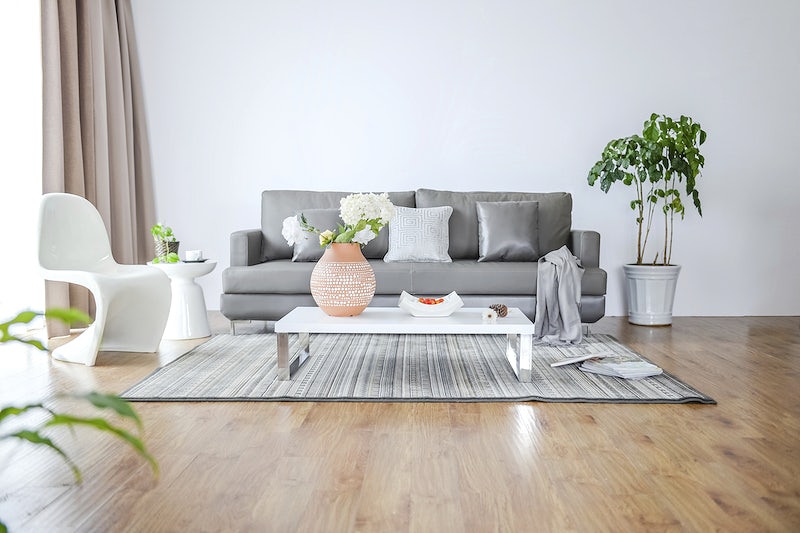
Incorporating sustainable features into your home is more than just a trend—it’s a way to create a healthier, more eco-friendly living environment that benefits both your family and the planet. From energy-efficient appliances to renewable materials, sustainable design choices can enhance your home’s functionality and aesthetic appeal while reducing its environmental footprint.
If you’re planning a full remodel or just looking for simple upgrades, there are many ways to make your home more sustainable. In this guide, interior design experts in Western Springs, IL, explore a range of sustainable features that can elevate your home’s comfort, efficiency, and value, making it a space you can feel good about.
1. Energy-Efficient Appliances
One of the most impactful ways to make your home more sustainable is by installing energy-efficient appliances. Look for models with the ENERGY STAR label, which guarantees that they use less energy and water compared to traditional appliances. From refrigerators and dishwashers to washing machines and ovens, energy-efficient appliances reduce utility bills and environmental impact. These appliances not only conserve resources but also contribute to a cleaner, greener home.
2. Solar Panels for Renewable Energy
Solar panels are an excellent addition to any home looking to harness renewable energy. By converting sunlight into electricity, solar panels can significantly reduce or even eliminate your dependence on the grid, lowering energy costs and reducing your carbon footprint. While the initial investment can be high, many areas offer tax incentives and rebates to offset costs. Over time, solar panels pay for themselves and increase your home’s value, making them a smart long-term investment in sustainability.
3. Low-Flow Plumbing Fixtures
Water conservation is a key aspect of sustainable living, and low-flow plumbing fixtures can help reduce water usage without sacrificing performance. Install low-flow showerheads, faucets, and toilets to cut down on water consumption in bathrooms and kitchens. These fixtures use aeration or pressure technology to maintain strong water flow while reducing the overall volume used, saving both water and money on your utility bills.
4. Eco-Friendly Insulation
Proper insulation is essential for energy efficiency, as it helps maintain your home’s temperature, reducing the need for excessive heating or cooling. Consider eco-friendly insulation materials, such as recycled cotton, cellulose (made from recycled paper), or spray foam with low VOCs. These options are non-toxic, and just as effective as traditional insulation in keeping your home comfortable year-round. By reducing energy loss, eco-friendly insulation can lower your energy bills and minimize your environmental impact.
5. Sustainable Flooring Materials
When choosing flooring, opt for sustainable materials that are durable and eco-friendly. Bamboo and cork are excellent choices as they are renewable resources that regrow quickly. Reclaimed wood and recycled tiles are also sustainable options, giving new life to existing materials rather than relying on virgin resources. Sustainable flooring materials not only look beautiful but also align with green building practices, ensuring a smaller environmental footprint for your home.
6. Smart Home Technology for Energy Management
Smart home technology can play a significant role in reducing energy waste. Smart thermostats, for example, learn your heating and cooling preferences and adjust accordingly, helping you maintain an optimal temperature while saving energy. Smart lighting systems allow you to control lights remotely and set timers, ensuring lights aren’t left on unnecessarily. These technologies not only offer convenience but also make it easier to track and reduce your energy consumption, making your home more sustainable.
7. Rainwater Harvesting Systems
If you’re looking for an innovative way to conserve water, consider installing a rainwater harvesting system. These systems collect and store rainwater for outdoor use, such as gardening or washing cars. By capturing rainwater, you can reduce your reliance on municipal water supplies, which is especially beneficial in drought-prone areas. Rainwater harvesting systems range from simple rain barrels to more advanced setups that filter and distribute the water, helping you make the most of this natural resource.
8. Green Roofing for Improved Insulation
A green roof, or living roof, is an eco-friendly roofing option that involves planting vegetation on your rooftop. Green roofs provide natural insulation, reducing energy needs for heating and cooling, and also help improve air quality by filtering pollutants. They absorb rainwater, reducing runoff, and offer a natural habitat for wildlife. While they require maintenance, green roofs are an innovative way to enhance your home’s sustainability and create a unique outdoor space.
9. LED Lighting for Longevity and Efficiency
LED lighting is one of the easiest and most effective upgrades for your home. LED bulbs consume significantly less energy than traditional incandescent or fluorescent bulbs and have a much longer lifespan. They’re available in various color temperatures, allowing you to create the right ambiance for every room. By switching to LEDs, you’ll lower your energy bills and reduce the frequency of bulb replacements, making it an affordable and practical eco-friendly choice.
10. Natural and Low-VOC Materials for Healthier Air Quality
Indoor air quality is essential for a healthy home, and choosing natural, low-VOC (volatile organic compound) materials can help reduce pollutants. Low-VOC paints, stains, and finishes release fewer toxic chemicals, improving air quality and creating a safer environment for your family. For cabinetry, furniture, and other fixtures, consider materials like reclaimed wood or sustainably sourced bamboo, which are free from harmful chemicals. These choices contribute to a more sustainable home while creating a healthier, fresher indoor environment.
Apart from that if you want to know about “Pantry Shelf Ideas: Ideas for a More Organized Kitchen, Everything You Need TO Know” then please visit our “Home Improvement” Category.