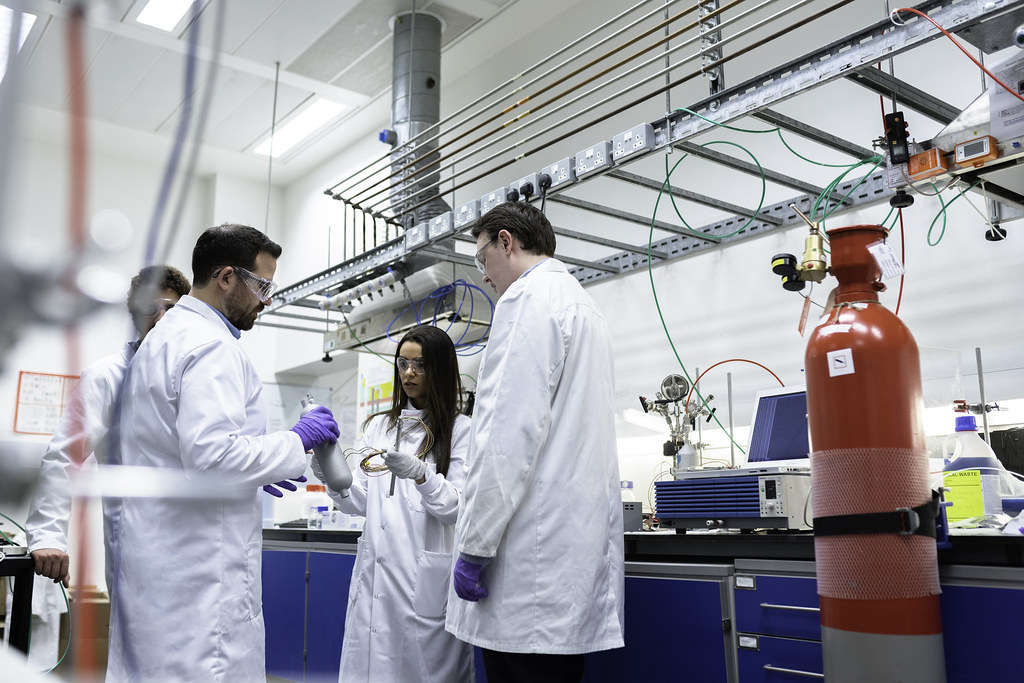
A Chemical Engineering course in the Philippines offers a comprehensive and dynamic education for aspiring engineers who want to apply their scientific knowledge to solve real-world challenges. As a multidisciplinary field, chemical engineering combines principles of chemistry, biology, physics, and mathematics to design and operate processes that transform raw materials into valuable products. Graduates from Philippine universities have the opportunity to make significant contributions to industries such as energy, food and beverage, pharmaceuticals, and environmental sustainability, both locally and globally.
Overview of Chemical Engineering in the Philippines
Chemical engineering is one of the most established engineering disciplines in the Philippines. The country’s universities offer rigorous programs designed to meet international standards while addressing local industrial and economic needs. The Philippine Institute of Chemical Engineers (PIChE), the professional organization for chemical engineers in the country, plays a vital role in promoting the profession and ensuring that chemical engineers in the Philippines maintain high ethical and technical standards.
The chemical engineering course is typically a five-year program in most universities, where students are prepared to become competent professionals capable of tackling complex industrial problems. The program involves a combination of theoretical education, laboratory work, internships, and real-world projects, ensuring that students are well-equipped to enter the workforce upon graduation.
Key Universities Offering Chemical Engineering in the Philippines
Several prestigious universities across the Philippines offer chemical engineering programs. Some of the top institutions include:
- University of the Philippines Diliman (UP Diliman): UP Diliman is one of the country’s leading institutions in engineering education. Its Department of Chemical Engineering is known for its strong research focus, high academic standards, and commitment to producing globally competitive engineers.
- De La Salle University (DLSU): DLSU offers a comprehensive chemical engineering program that emphasizes research, innovation, and sustainability. The program is also accredited by local and international bodies, ensuring a world-class education.
- Mapúa University: Known for its cutting-edge facilities and strong emphasis on technology, Mapúa University offers a chemical engineering program that integrates modern engineering tools with hands-on experience.
- University of Santo Tomas (UST): UST offers one of the oldest chemical engineering programs in the country. It has a strong tradition of excellence, producing engineers who are not only technically proficient but also grounded in ethical practices.
- Ateneo de Manila University: Ateneo’s chemical engineering program focuses on industrial processes and sustainability, preparing students for the growing demands of both local and global industries.
Curriculum and Course Structure
The Bachelor of Science in Chemical Engineering (BSChE) in the Philippines covers a wide range of subjects to equip students with both the theoretical and practical knowledge needed for the profession. The curriculum is designed to build expertise in areas such as:
Fundamental Sciences:
- General Chemistry: The foundation of chemical engineering, focusing on atomic structure, chemical reactions, and the properties of materials.
- Organic Chemistry: Understanding the structure and behavior of carbon-containing compounds, essential for industries like pharmaceuticals and petrochemicals.
- Physics and Mathematics: Courses in mechanics, thermodynamics, and calculus are vital for understanding the physical principles governing chemical processes.
Core Chemical Engineering Subjects:
- Thermodynamics: Students learn the principles of energy transfer and how they apply to chemical processes and reaction systems.
- Transport Phenomena: This course covers the movement of mass, heat, and momentum in chemical systems, essential for designing equipment like reactors and heat exchangers.
- Chemical Reaction Engineering: Understanding the kinetics of chemical reactions and how they can be scaled up from lab experiments to industrial production.
- Process Control and Simulation: Training in modern software tools to simulate, control, and optimize industrial processes in real time.
Specialized Areas:
- Biotechnology and Bioprocess Engineering: As biotechnology advances, chemical engineers are needed to scale up processes for producing pharmaceuticals, biofuels, and food products.
- Environmental Engineering: Students learn to design processes that minimize environmental impact, focusing on waste treatment, pollution control, and sustainable resource management.
- Energy Engineering: With a focus on renewable energy, students learn to design and manage processes for bioenergy, solar, and wind energy systems.
- Practical Experience: Many universities in the Philippines require students to undergo internships or on-the-job training with local industries. This experience helps students apply their classroom knowledge in real industrial settings and prepares them for a smooth transition to the workforce.
Career Opportunities for Chemical Engineering Graduates
Graduates of chemical engineering programs in the Philippines have a wide range of career opportunities, both locally and internationally. Due to the interdisciplinary nature of the field, chemical engineers are in high demand across various industries.
- Manufacturing and Process Industries: Chemical engineers are employed in the design, operation, and optimization of processes in industries like food and beverage, pharmaceuticals, cement, and petrochemicals.
- Energy and Oil & Gas: The Philippines’ energy sector, particularly in oil refining, gas processing, and renewable energy, provides numerous opportunities for chemical engineers to innovate and improve process efficiencies.
- Environmental Engineering: As sustainability becomes a priority, chemical engineers are working in environmental protection roles, focusing on waste management, pollution reduction, and the development of eco-friendly processes.
- Biotechnology and Pharmaceuticals: Chemical engineers are essential in the growing biotech and pharmaceutical sectors, designing processes to scale up the production of drugs, vaccines, and other medical products.
- Government and Policy: Graduates may also pursue careers in government agencies, such as the Department of Environment and Natural Resources (DENR) or the Department of Energy (DOE), where they contribute to policy-making and regulatory compliance.
Accreditation and Licensure
In the Philippines, chemical engineers must pass the Chemical Engineering Licensure Exam conducted by the Professional Regulation Commission (PRC) to become licensed professionals. The exam tests candidates’ knowledge of chemical engineering principles, safety, and practical applications. Passing this exam is a significant milestone in a chemical engineer’s career, allowing them to practice professionally in the country.
Why Choose Chemical Engineering in the Philippines?
- High Demand and Competitive Salaries: Chemical engineers are highly valued in both local and international markets. They often enjoy competitive starting salaries, with opportunities for growth in various industries.
- Global Opportunities: Filipino chemical engineering graduates are recognized globally, with many finding employment opportunities in multinational companies and pursuing careers abroad.
- Contribution to National Development: Chemical engineers are at the forefront of addressing critical issues in the Philippines, such as energy sustainability, waste management, and industrial development.
- Innovation and Research: The field offers endless opportunities for research and innovation. Chemical engineers in the Philippines are helping to develop new technologies and processes that improve industrial efficiency and environmental protection.
Conclusion
A Chemical Engineering course in the Philippines provides students with a robust education, blending theory with hands-on experience in real-world applications. Graduates are well-prepared to take on challenging roles in various industries, contributing to national development and addressing global challenges such as sustainability and innovation. With a degree in chemical engineering, students in the Philippines can look forward to exciting careers with impactful contributions to society and the economy.
Apart from this if you are interested to know more about Super hacks to do well in your law course then visit our Education category.