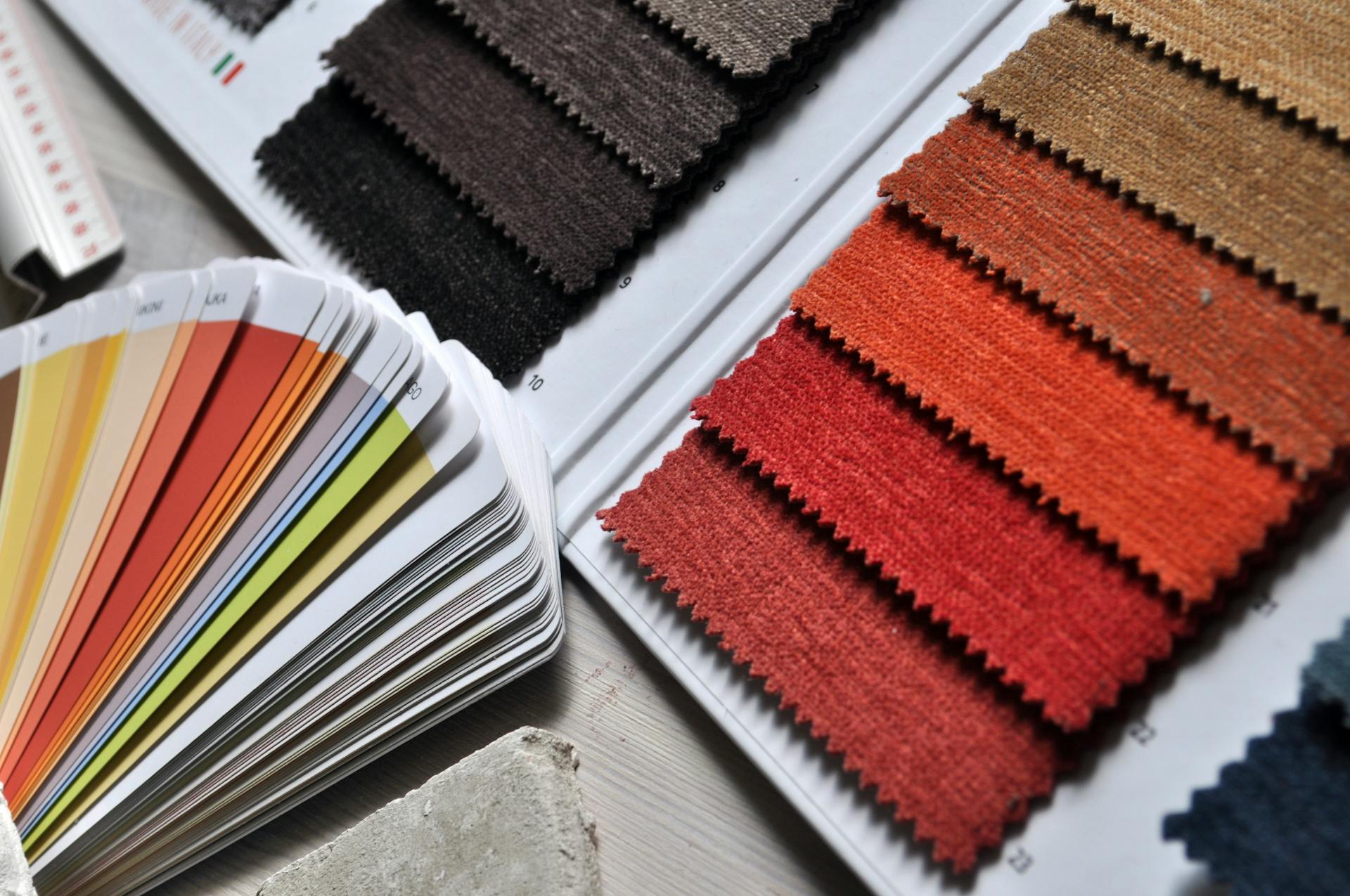
When it comes to crafting the perfect custom tailored suit, the fabric you choose isn’t just a matter of style—it’s the foundation of comfort, functionality, and durability. Yet, with so many options available, choosing the right fabric can feel overwhelming.
Should you go for lightweight wool or luxurious cashmere? Is linen too casual? What about blends? Let’s discuss how to make the smartest decision for your needs so you can look sharp and feel great in any setting.
Why Fabric Selection Matters
Your suit’s fabric affects how it fits, feels, moves, and ages. A beautifully cut suit made from the wrong material won’t perform well—it may wrinkle too easily, feel hot and stiff, or wear out quickly.
For those seeking expertly crafted, custom-tailored suits in Seattle, WA, Sew Generously stands out for its commitment to both style and comfort. Their understanding of fabric performance ensures each suit moves with you, not against you.
Think of fabric as the engine behind the style. Get it right, and your suit works with you, not against you. The wrong choice, however, can leave you uncomfortable and underwhelmed.
Know the Basics: Fabric Weight, Weave, and Seasonality
Before diving into fabric types, it’s important to understand a few key terms that influence how a fabric performs:
1. Weight (measured in grams or ounces per meter/yard)
- Lightweight (7–9 oz): Great for warmer climates and summer months.
- Midweight (9.5–11 oz): Versatile year-round choice.
- Heavyweight (12–14 oz and above): Ideal for cooler temperatures; drapes beautifully and lasts longer.
2. Weave
How the fabric is woven influences texture, drape, and breathability. Common weaves include:
- Twill: Soft with a diagonal rib, like many worsted wools.
- Plain weave: Balanced and smooth, often used for lightweight wool or cotton.
- Herringbone or houndstooth: Decorative and textured—adds character.
3. Seasonality
Different fabrics perform better at different times of year. For example, linen is great for summer but not suitable for fall or winter.
Now let’s take a closer look at the most popular fabric types for tailored suits.
Top Suit Fabrics and Their Best Uses
1. Wool: The Timeless Classic
Wool is by far the most popular suit fabric—and for good reason. It’s versatile, breathable, and offers natural wrinkle resistance. You’ll find wool suits appropriate for almost any occasion, depending on the type and weave.
Best for: Year-round wear, business attire, formal events
Variations include:
- Worsted wool: Smooth, durable, and refined—ideal for professional suits.
- Flannel: Soft, brushed finish—better for cooler months.
- Tropical wool: Lightweight and breathable—great for warmer climates.
2. Cotton: Casual and Comfortable
Cotton suits offer a more relaxed look and feel. They’re lightweight and breathable but tend to wrinkle more easily than wool. Great for spring and summer wardrobes.
Best for: Smart casual events, summer business settings
Pros: Comfortable, easy to wear
Cons: Less formal, creases easily
3. Linen: The Summer Staple
Linen is beloved for its breathability and relaxed elegance. It has a distinctive texture and airy quality, making it a go-to choice for beach weddings and summer occasions.
Best for: Casual summer wear, destination weddings
Pros: Cool and lightweight
Cons: Wrinkles quickly, not suitable for formal settings
4. Silk: The Luxurious Option
Silk suits are rare and often expensive, but they offer unmatched smoothness and natural shine. They’re breathable, strong, and incredibly elegant—perfect for upscale occasions.
Best for: Formal events, evening wear
Pros: Luxurious texture and feel
Cons: High maintenance, less durable for daily wear
5. Blends: The Practical Middle Ground
Many modern suits are made from blended fabrics, combining the best traits of different materials. Common blends include:
- Wool-polyester: More affordable and wrinkle-resistant, but less breathable.
- Wool-silk: Adds a hint of sheen and softness.
- Wool-cashmere: Adds luxury and softness for cooler weather.
Best for: Everyday suits, business wear, travel
Pros: Balanced durability, comfort, and cost
Cons: Depends on the quality of the blend—some may not breathe well
Matching Fabric to Purpose
Let’s discuss how to match your fabric choice to your lifestyle and the occasions you’re dressing for.
1. Work and Business Settings
For an everyday business suit, midweight worsted wool is unbeatable. It offers a professional finish, resists wrinkles, and holds its shape throughout the day.
Want to impress in a boardroom? Go for a darker shade—navy or charcoal—with a subtle weave like twill.
2. Special Occasions
For weddings, galas, and black-tie events, choose luxury fabrics like silk blends or high-end wool with a sheen. Consider textures like herringbone or jacquard to add a unique touch.
In summer weddings, linen suits in light colors like beige or sky blue are stylish and season-appropriate.
3. Casual and Smart Casual Wear
For a less formal look, cotton or blended fabrics are ideal. Pair a cotton blazer with chinos or a wool blend with an open-collar shirt. These fabrics offer structure while keeping things relaxed.
How to Tell Quality Fabric from Cheap Imitations
Not all wool or cotton is created equal. Here’s what to check:
- Touch: Quality fabric feels smooth and substantial. It shouldn’t feel scratchy or flimsy.
- Drape: Hold the fabric up—does it fall softly and maintain its shape? That’s a good sign.
- Weave density: A Higher thread count means better durability and comfort.
- Brand or mill reputation: Fabrics from Italian or British mills like Vitale Barberis Canonico, Loro Piana, or Holland & Sherry are known for excellence.
Don’t be afraid to ask your tailor where the fabric comes from—they should proudly tell you.
Fabric Myths You Should Stop Believing
“Wool is only for winter.”
Not true. Tropical wool is designed for hot weather, and high-quality wool can be more breathable than cotton.
“Linen always looks messy.”
Linen wrinkles, yes—but that’s part of its charm. A good tailor will cut it so it looks effortless, not sloppy.
“Blends are inferior.”
Again, not always true. A well-balanced blend can outperform pure fabrics in certain scenarios, especially for travel or daily wear.
Questions to Ask Your Tailor
Before finalizing your suit fabric, have this conversation:
- What’s the fabric’s weight and weave?
- How will it wear over time?
- Is it suitable for the seasons and occasions I need?
- How should I care for it—dry clean, steam, or press?
A good tailor will not only answer these questions confidently but will also steer you toward options you might not have considered.
Final Thoughts: Comfort + Style = Confidence
When choosing fabric for your custom-tailored suit, don’t just focus on how it looks. Think about how it feels, how it moves with you, and how it fits into your life.
Let’s discuss your ideal suit: Are you dressing for work, a wedding, or just stepping up your everyday wardrobe? Once you define your purpose, the right fabric choice becomes much clearer.
A great suit starts with the right foundation. Choose wisely—and you’ll wear your confidence as comfortably as your style.