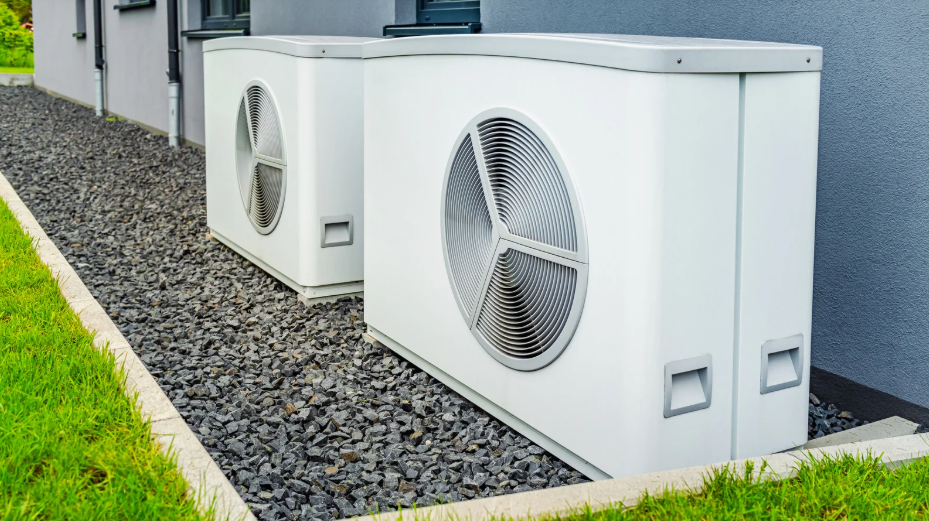
Choosing the right heat pump isn’t just about brand names or energy ratings. It’s about aligning your home’s unique layout, insulation quality, and square footage with a system designed to perform efficiently. Whether you live in a compact urban apartment or a sprawling suburban home, selecting the proper heat pump will determine long-term comfort and cost savings. If you’re evaluating solutions for a heat pump in Chattanooga, the decision should be strategic, one that’s tailored to your property’s needs, not just market trends.
Understand the Importance of Sizing and Insulation
Before jumping into brands or models, assess the fundamental variables that affect a heat pump’s performance.
Sizing isn’t about guessing based on square footage alone. It involves evaluating multiple factors such as ceiling height, window placement, local climate, and insulation condition. A unit that’s too small will constantly overwork, reducing its lifespan and failing to maintain comfort. Conversely, an oversized pump may short-cycle, leading to inefficient heating and cooling.
Homes with high-grade insulation require smaller units, as they retain conditioned air better. Poorly insulated homes, even if smaller, demand higher capacity. That’s why a comprehensive load calculation from a licensed HVAC technician is non-negotiable, it removes assumptions from the equation.
Matching Heat Pumps to Home Size Categories
Not all heat pumps are built the same, and certainly not all homes require the same capacity.
A small home under 1,000 square feet can often be supported by a 1.5 to 2-ton heat pump, assuming modern insulation standards. Medium-sized homes (1,000 to 2,000 square feet) may require 2.5 to 3.5 tons, while large homes may go up to 5 tons, particularly if they feature vaulted ceilings or inadequate sealing.
Even within the same size category, insulation plays a pivotal role. A 1,500-square-foot home with spray-foam insulation might run efficiently on a smaller unit compared to a similar-sized home with outdated fiberglass batts.
Before making a purchase, it’s critical to consult with professionals who understand regional HVAC demands. In climates where temperature swings are common, a variable-speed system offers better modulation and energy savings.
System Longevity and Performance Metrics
Beyond performance, lifespan and operational consistency are primary decision factors.
Professionally installed systems that are correctly sized and maintained can deliver optimal performance for over a decade. But frequent breakdowns and inefficiencies often trace back to one root cause, poor system-to-home compatibility. Many homeowners underestimate how critical proper matching is for prolonging operational life and maintaining consistent indoor temperatures.
Understanding heat pump lifespan is essential. A mismatched or overburdened system typically wears out faster, leading to premature replacements and unnecessary capital expenditure. On the other hand, systems correctly sized to your insulation level and square footage can deliver stable, efficient heating and cooling across seasons, extending both functionality and return on investment.
Why Professional Assessment Matters
This isn’t a one-size-fits-all purchase; it’s an engineered solution that should be tailored to your property specifications.
Only a trained HVAC specialist can perform a Manual J load calculation that takes into account your home’s insulation levels, orientation, ductwork design, and even occupancy patterns. Professional installers not only ensure accurate sizing but also validate airflow metrics and component compatibility, two variables DIY approaches consistently overlook.
Cutting corners on this front means higher utility bills, more frequent repairs, and uneven heating and cooling. Leveraging expert insight guarantees you’re not just buying a product, you’re investing in sustained thermal performance backed by data and field experience.
Conclusion
Selecting the right heat pump hinges on precision, not guesswork. From assessing insulation quality to calculating load requirements, each decision point requires professional input to ensure long-term success. Efficient heating and cooling begin with proper alignment between your home’s structure and the system you choose, anything less is an operational liability.
A well-matched system not only reduces energy consumption but also delivers consistent comfort across seasons. It minimizes strain on components, resulting in fewer service disruptions and lower lifetime costs. Ultimately, working with seasoned HVAC professionals ensures your heat pump performs exactly as intended, safeguarding both your comfort and investment.
Apart from that if you want to know about Effective Plumbing Practices for Reliable Water Heater Service then please visit our Home Improvement Category.