
Introduction
How To Thicken Hairs? Achieving thicker, healthier hair is a goal shared by many, as luscious, voluminous locks are often associated with vitality and confidence. Various factors, including genetics, age, hormones, and overall health, influence hair thickness.
While it may not be possible to change genetic predispositions, incorporating effective hair care practices, maintaining a nutrient-rich diet, and embracing a healthy lifestyle can significantly enhance the appearance and density of your hair.
From natural treatments and scalp care to medical interventions, there are numerous strategies available to promote hair thickness and strength. This comprehensive guide explores proven methods to help you achieve thicker hair and maintain its health over time.
| Introduction | Details |
| How To Thicken Hairs? | Achieving thicker, healthier hair is a shared goal influenced by factors like genetics and age. |
| Key Factors | Hair thickness is affected by genetics, hormonal changes, and overall lifestyle. |
| Medical Interventions | treatments like minoxidil and PRP therapy are available for significant thinning concerns. |
| Natural Oils | Oils like coconut, castor, and rosemary to moisturize and strengthen hair. |
| Proper Hydration | Drink at least 8 glasses of water daily to keep the scalp hydrated. |
| Stress Management | Stress-reducing activities like yoga and meditation to maintain hair health. |
| Nutrient-Rich Diet | Consume proteins, biotin, vitamins, and minerals like zinc and iron to nourish hair from within. |
Why Scalp Care and Nutrition Matter for Thicker Hair
When it comes to making your hair thicker and healthier, focusing on both the scalp and your diet can make a notable difference over time. A well-nourished scalp supports stronger hair growth because stimulating blood flow through regular scalp massages helps deliver essential nutrients to hair follicles, encouraging them to produce fuller strands. Likewise, a balanced diet rich in protein, vitamins, and minerals — including iron, omega-3s, and biotin — provides the building blocks your body needs to strengthen hair from the inside out. These combined efforts create an environment where hair isn’t just longer, but visibly thicker and more vibrant overall.
How To Thicken Hairs?
How To Thicken Hairs? Thinning hair involves adopting a combination of healthy habits, proper scalp care, and the use of nourishing products. A nutrient-rich diet, abundant in proteins, vitamins like biotin and vitamin E, and minerals such as iron and zinc, is essential for strengthening hair from within.
Regular scalp massages enhance blood circulation, promoting follicle health and stimulating growth. Natural oils like coconut, castor, and rosemary provide deep hydration and encourage thicker strands. Minimizing heat styling, avoiding harsh chemical treatments, and using sulfate-free shampoos help prevent breakage and thinning.
Additionally, stress management, hydration, and regular trims contribute to maintaining healthy, voluminous hair. For persistent thinning, professional treatments like minoxidil or PRP therapy can be considered to achieve optimal results.
Understanding Hair Thickness
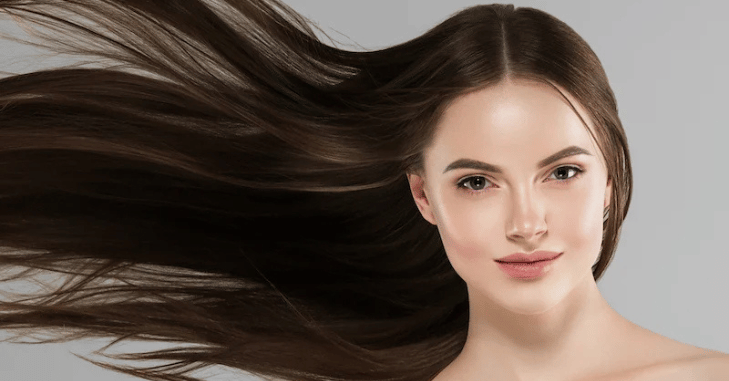
Hair thickness is influenced by factors such as genetics, age, hormonal changes, and overall health. While it’s impossible to alter genetic predispositions, adopting specific practices can improve hair density and appearance.
Nutrient-Rich Diet for Hair Health
A balanced diet rich in essential nutrients is crucial for hair growth and thickness. Key nutrients include:
- Proteins: Hair is primarily composed of keratin, a protein. Consuming adequate protein supports hair structure—sources: lean meats, eggs, legumes, and nuts.
- Vitamins:
Biotin (Vitamin B7): Essential for hair growth. Sources: eggs, almonds, and sweet potatoes.
Vitamin E: Promotes scalp circulation—sources: sunflower seeds, spinach, and avocados.
Vitamin A: Aids in sebum production, keeping the scalp moisturized. Sources: carrots, sweet potatoes, and kale.
Minerals:
Iron: prevents hair loss by facilitating oxygen transport to hair follicles—sources: red meat, lentils, and spinach.
Zinc: supports hair tissue growth and repair—sources: oysters, beef, and pumpkin seeds.
Incorporating these nutrients into your diet can significantly impact hair health. Seek guidance from a healthcare professional before beginning any supplement plan to ensure safety and effectiveness.

Scalp Care and Massage
Maintaining a healthy scalp is fundamental for hair growth. Regular scalp massages increase blood circulation, delivering essential nutrients to hair follicles. A 2016 study found that participants who performed daily scalp massages experienced increased hair thickness after 24 weeks.

Natural Oils and Topical Treatments
Applying natural oils can nourish the scalp and promote hair thickness.
- Coconut oil deeply nourishes the hair, helps reduce protein loss, and minimizes breakage. Warm the oil, apply it to your scalp and hair, leave it on for about 30 minutes, and then rinse thoroughly.
- Castor Oil: Rich in ricinoleic acid, it enhances scalp circulation and has anti-inflammatory properties. Massage into the scalp, leave overnight, and wash out in the morning.
- Rosemary Oil: Studies suggest it can stimulate hair growth comparable to minoxidil. Dilute a few drops with a carrier oil and apply to the scalp.
Aloe Vera Treatments
Aloe vera soothes the scalp and conditions hair. Apply pure aloe vera gel to the scalp, leave for 30 minutes, and rinse. Regular use can reduce dandruff and unblock hair follicles.
Avoiding Heat and Chemical Damage
Excessive use of heat styling tools and chemical treatments can weaken hair, leading to thinning. Limit the use of blow dryers, straighteners, and curling irons. When necessary, apply a heat-protectant spray. Opt for natural hairstyles and avoid tight hairstyles that can cause traction alopecia.
Proper Hair Washing Techniques
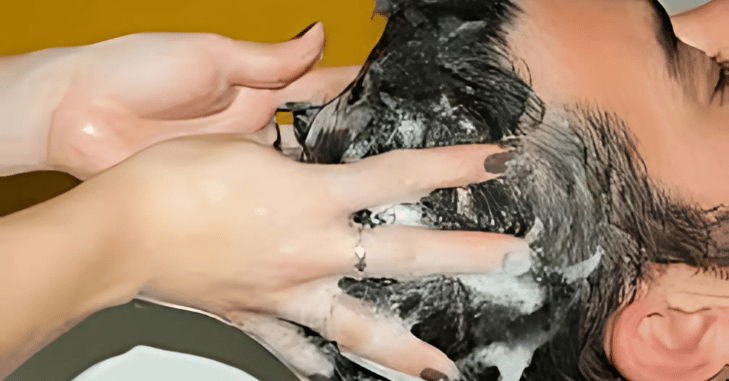
Excessive washing may remove the scalp’s natural oils, while infrequent washing can cause product buildup. Cleanse your hair 2-3 times weekly using a mild, sulfate-free shampoo, and follow up with a conditioner to keep hair moisturized.
Stress Management
Chronic stress can disrupt the hair growth cycle, leading to thinning. Incorporate stress-reducing practices such as yoga, meditation, and regular exercise to promote overall well-being and support hair health.
Regular Trimming
Trimming hair every 6–8 weeks removes split ends and prevents breakage, contributing to the appearance of thicker hair.
Hydration
Adequate water intake keeps the scalp hydrated and supports healthy hair growth. Aim for at least 8 glasses of water daily.
Use of Volumizing Products
Volumizing shampoos and conditioners can temporarily enhance hair thickness by adding body and lift. Choose products formulated with ingredients such as biotin and keratin for added hair strength and health.
Avoiding Smoking and Limiting Alcohol
Smoking reduces blood flow to the scalp, while excessive alcohol can lead to dehydration, negatively impacting hair health.
Medical Treatments
For significant hair thinning, consult a dermatologist. Treatments like minoxidil and finasteride have shown effectiveness in promoting hair growth. Platelet-rich plasma (PRP) therapy is another option, involving injections that stimulate hair follicles.
Conclusion
How To Thicken Hairs? Achieving thicker hair involves a holistic approach, combining proper nutrition, scalp care, and healthy lifestyle choices. While results may vary, consistent application of these natural methods can lead to noticeable improvements in hair thickness and overall health.
Apart from that if you want to know about “Not Just Hearing Loss: Side-Effects of Tepezza Include Diabetes” then please visit our “Health” Category.
FAQs
Hair grows approximately 0.35 mm every day [1]. In approximately three weeks, hair grows about 7.5 mm, which is slightly less than a third of an inch.
Little can be done to change the diameter of individual hair strands permanently.
Rice water strengthens and adds shine to dull or fine hair, enhances elasticity and bounce for curly hair, and supports hair growth while thickening strands, thanks to its inositol content.
Hair thinning can be caused by genetics, aging, hormonal changes, stress, nutritional deficiencies, or frequent use of heat and chemical treatments.
Thin hair can appear thicker naturally by improving scalp health, maintaining a balanced diet, reducing hair damage, and following a consistent hair care routine.