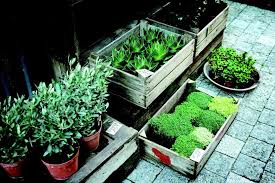
Nurseries play a crucial role in the lifecycle of plants, from the earliest stages of seedlings to their growth into healthy, thriving specimens. Central to this process are nursery containers, which provide the foundation for nurturing plants until they are ready for transplanting or sale. In recent years, the practice of sourcing nursery containers wholesale has gained significant traction among horticulturists and nursery operators alike. This article explores the pivotal role of nursery containers in the success of plant nurseries, emphasizing the benefits and strategic considerations associated with wholesale procurement.
The Foundation Of Growth: Understanding Nursery Containers
Nursery containers are more than just vessels for holding soil and plants; they form the essential infrastructure that supports plant growth. Available in a variety of sizes, shapes, and materials, such as plastic, fabric, or biodegradable substances, these containers offer flexibility to match the needs of different plant species and growth stages. Nursery containers ensure proper root development, aeration, and drainage—critical factors that influence the health and vigor of seedlings.
Why Choose Wholesale?
1. Cost Efficiency And Savings
One of the primary drivers behind opting for wholesale nursery containers is cost efficiency. Buying in bulk allows nurseries to benefit from economies of scale, reducing per-unit costs significantly compared to retail purchases. This financial advantage extends beyond immediate savings, as it enables nurseries to allocate resources towards other critical aspects of operations such as plant care, infrastructure maintenance, and staff training.
2. Scale And Scalability
For nurseries looking to expand or streamline operations, wholesale procurement offers scalability. Bulk purchasing ensures a consistent supply of containers, minimizing the risk of inventory shortages during peak planting seasons. This scalability is essential for meeting customer demand and maintaining operational continuity, positioning nurseries for sustained growth and profitability.
3. Quality Assurance
When sourcing nursery containers wholesale, nurseries can often access products from reputable manufacturers known for quality and durability. This assurance is crucial in ensuring that containers withstand the rigors of nursery environments, including exposure to varying weather conditions and frequent handling. High-quality containers not only enhance plant health but also reflect positively on the nursery’s commitment to excellence and customer satisfaction.
Strategic Considerations For Nurseries
1. Choosing The Right Containers
Selecting the appropriate nursery containers involves considering factors such as plant species, growth requirements, and environmental conditions. Containers should facilitate optimal root development, promote efficient water drainage, and support adequate aeration. Nurseries may opt for containers with features like root-promoting designs or biodegradable materials, aligning with sustainability goals and customer preferences.
2. Storage And Handling
Effective management of nursery container inventory is essential for minimizing logistical challenges and ensuring operational efficiency. Proper storage practices—such as organizing containers by size and material type—streamline inventory retrieval and facilitate timely planting activities. Additionally, training staff on safe handling practices reduces the risk of damage to containers and ensures their longevity throughout multiple planting cycles.
3. Environmental Sustainability
It is becoming increasingly crucial to integrate eco-friendly practices into nursery operations in order to satisfy regulatory requirements and satisfy consumer expectations. Choosing biodegradable or recyclable nursery containers not only supports sustainability initiatives but also enhances the nursery’s reputation as an environmentally responsible provider. Implementing sustainable practices throughout the supply chain—from procurement to disposal—positions nurseries as leaders in ecological stewardship within the horticultural industry.
Conclusion
Nursery containers serve as the backbone of plant nurseries, facilitating the growth and development of seedlings into healthy, market-ready plants. By leveraging wholesale procurement strategies, nurseries can optimize costs, enhance operational efficiency, and uphold quality standards essential for long-term success. As nurseries navigate evolving market dynamics and consumer demands, investing in high-quality nursery containers and adopting sustainable practices will remain pivotal in achieving growth, profitability, and environmental stewardship. Embracing these principles ensures that seedlings not only thrive but also contribute positively to the broader ecosystem of horticulture and environmental sustainability.