Introduction
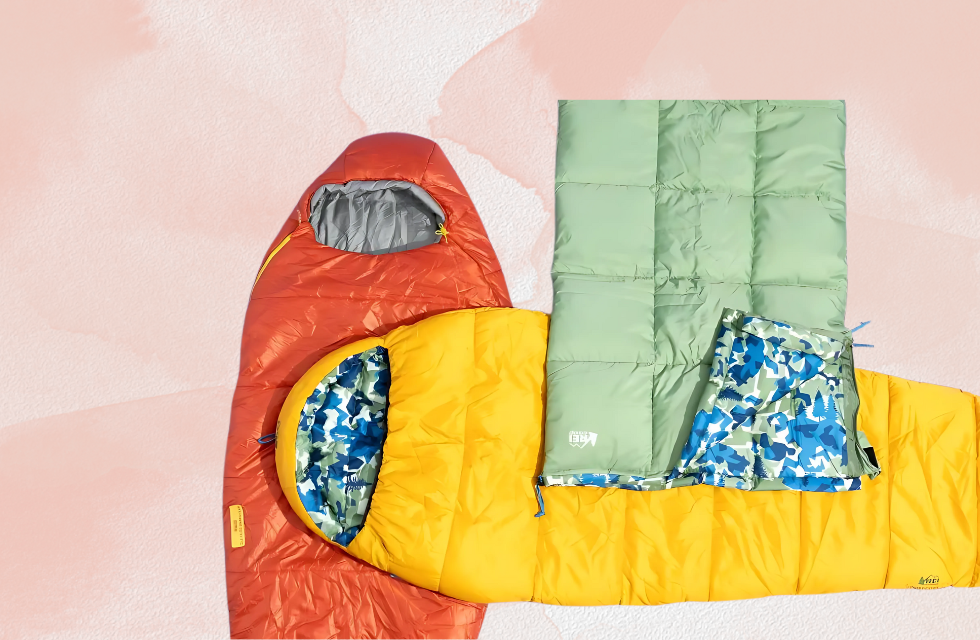
When it comes to outdoor adventures, sleepovers, or camping trips, having the right sleeping bag for your child is essential. Not only does it provide comfort, but it also ensures safety and warmth throughout the night. Kids’ sleeping bags come in various designs, sizes, and features to suit different needs. In this article, we’ll explore everything you need to know about choosing the perfect sleeping bag for kids.
| Feature | Details |
|---|---|
| Size | Small to medium sizes (suitable for children aged 2 to 12 years) |
| Temperature Rating | Typically between 35°F and 50°F, some designed for lower temperatures |
| Material | Synthetic fabrics like polyester or nylon; some have cotton linings |
| Insulation Type | Synthetic insulation for durability and warmth retention |
| Shape | Mummy bags for colder weather; rectangular bags for room and comfort |
| Weight | Lightweight, usually under 2-3 lbs for easy carrying |
| Durability | Made from tough, water-resistant materials to withstand outdoor use |
| Safety | Toddler-specific options with no loose parts or choking hazards |
| Designs | Fun, kid-friendly patterns, including glow-in-the-dark or cartoon characters |
| Zipper Quality | Sturdy zippers with anti-snag designs for ease of use by kids |
| Care Instructions | Machine washable (check individual washing guidelines) |
| Hooded Option | Available in some bags for extra warmth in cold weather |
| Indoor vs Outdoor | Some designed for camping (outdoor use), others perfect for indoor sleepovers |
| Price Range | Typically ranges from $20 to $60 depending on brand and features |
Why Are Sleeping Bags Important for Kids?
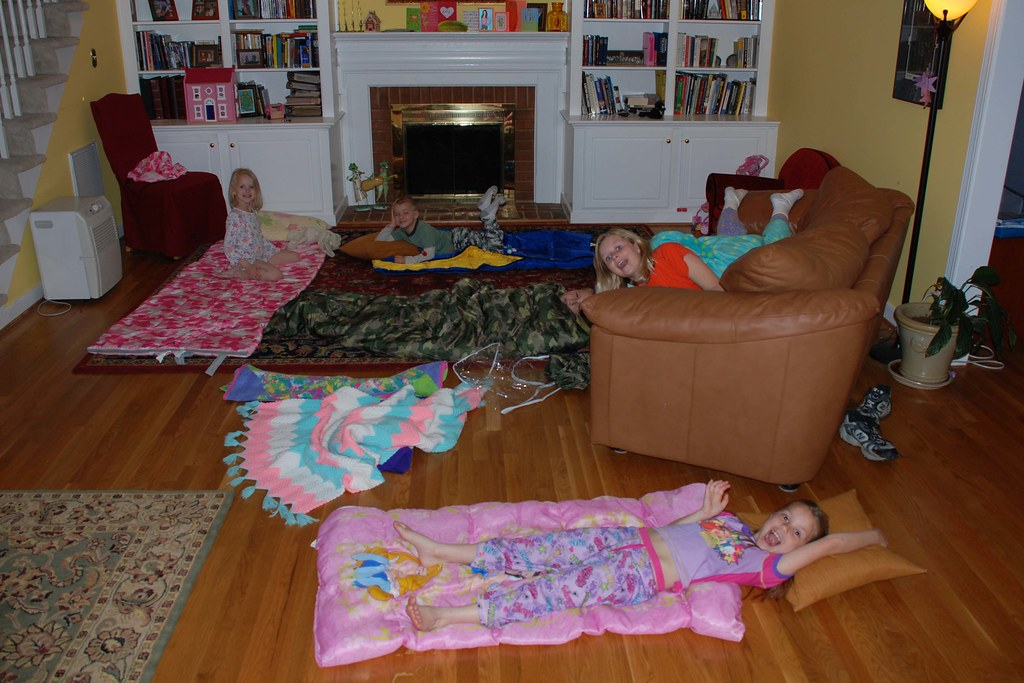
Whether it’s an outdoor camping trip or a sleepover at a friend’s house, a cozy sleeping bag provides your child with their own space for sleeping. It offers warmth and protection from cold or damp conditions and often features fun designs that children love.
Benefits of Sleeping Bags for Kids
- Comfortable sleep in unfamiliar environments.
- Insulation and warmth, especially in outdoor settings.
- Portability for camping, sleepovers, and travel.
- Independence, as it gives kids their cozy spot to sleep.
Key Features to Look for in Kids’ Sleeping Bags
When choosing a sleeping bag for children, it’s important to consider features that enhance comfort, safety, and ease of use, ensuring a positive experience whether for camping trips, sleepovers, or outdoor adventures. A good kids’ sleeping bag should have appropriate insulation to keep them warm in varying weather conditions, along with a soft, cozy lining that feels comfortable against sensitive skin. Lightweight and easy-to-zip designs make it simpler for children to use independently, while durable materials help the bag withstand active use. Additional elements such as hoods, draft collars, and integrated carry bags increase functionality and convenience for both kids and parents. By focusing on these key features, caregivers can select a sleeping bag that supports restful sleep and happy memories on every outing.
Types of Sleeping Bags for Kids
When choosing a sleeping bag for your child, it’s essential to know the different types available. Here are some of the most common options:
1. Rectangular Sleeping Bags
These are the most traditional sleeping bags, offering a spacious, rectangular design. They provide plenty of room for your child to move around during sleep, making them ideal for those who prefer more space. Rectangular bags are great for indoor use or summer camping trips where warmth isn’t a significant concern.
2. Mummy Sleeping Bags
Mummy bags are narrower at the feet and taper towards the top, offering a snug fit that helps retain body heat. They are ideal for colder conditions, such as camping in the fall or winter. These sleeping bags are designed to keep the warmth in and reduce the amount of air circulating your child.
3. Double Sleeping Bags
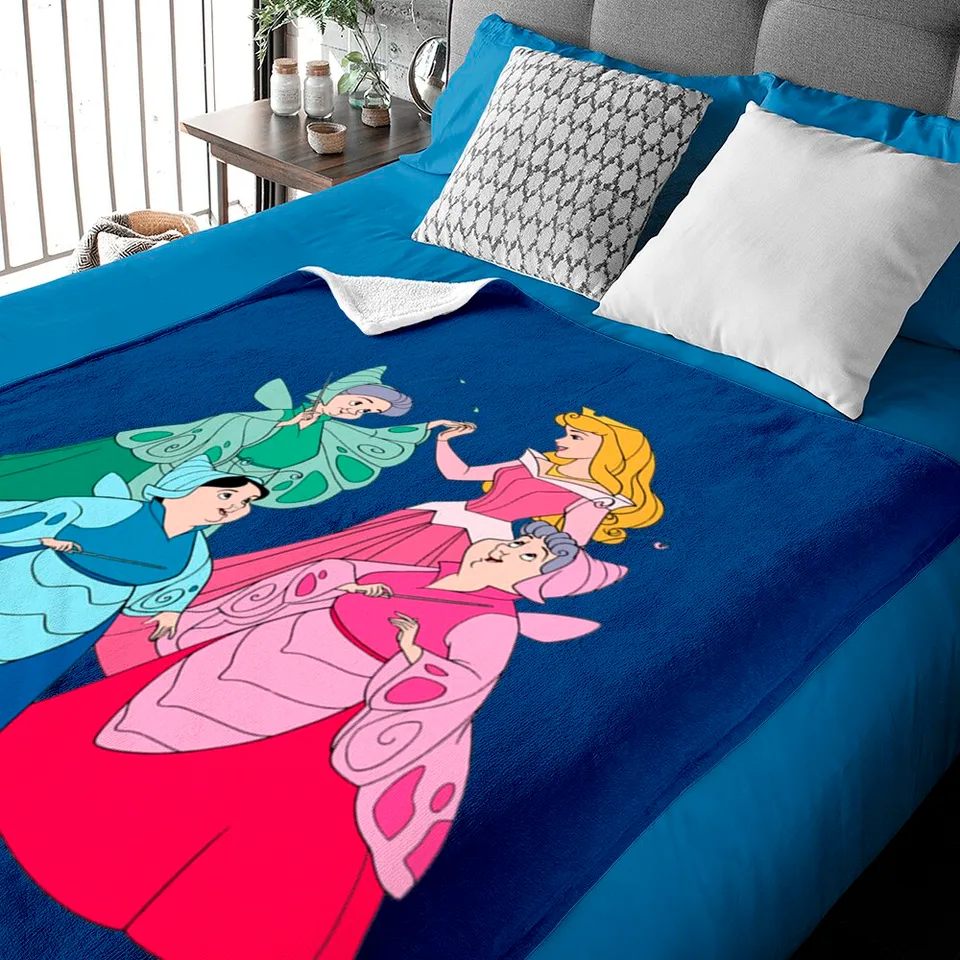
Double sleeping bags are great for siblings or friends who want to share a sleeping space. They’re roomier and can also unzip into two separate bags if needed. These are fun for sleepovers but can also be useful in family camping setups.
4. Novelty Sleeping Bags
These bags often come in fun shapes or with cartoon characters, animal designs, or vibrant colors that appeal to children. While they may not always offer the highest insulation levels, they are perfect for sleepovers or casual indoor use.
Key Features to Look for in a Sleeping Bag for Kids
There are several factors to consider when choosing a sleeping bag for your child. Comfort, safety, and usability should all be high on the list, but let’s look at these factors in more detail:
1. Temperature Rating
The temperature rating of a sleeping bag indicates the lowest temperature at which it can keep your child warm. For most kids, a sleeping bag rated between 35°F to 50°F is ideal for general use, but if you’re planning to camp in colder weather, opt for a bag with a lower rating.
2. Size and Weight
Kids’ sleeping bags are designed to be lighter and smaller than adult versions. Make sure the bag fits your child well—not too tight or too big. Bags that are too large can leave extra room for cold air to circulate, making your child colder.
3. Material
The fabric of the sleeping bag plays a big role in comfort. Most kids’ sleeping bags are made from synthetic materials like polyester, which are lightweight and quick-drying. However, if your child has sensitive skin, you might opt for a cotton lining for extra comfort.
4. Insulation
There are two main types of insulation in sleeping bags: down and synthetic. While down insulation provides superior warmth and packability, it can be expensive and loses its insulating properties when wet. Synthetic insulation is more affordable, retains warmth when wet, and dries quickly.
5. Zippers and Fasteners
Look for a sleeping bag with durable, easy-to-use zippers. Some kids’ bags come with anti-snag zippers or glow-in-the-dark pulls, making it easier for your child to get in and out. Some bags also have Velcro fasteners for additional security.
6. Hood and Draft Collars
For colder weather, having a hooded sleeping bag with a draft collar (the insulated band around the neck) can help keep the warmth in. These features ensure your child’s head stays warm without the need for extra blankets or headgear.
7. Machine Washability
Let’s face it, kids can be messy! Having a sleeping bag that’s machine washable makes cleanup easy, especially after a muddy camping trip or a juice spill during a sleepover.
Fun Designs: Make It Exciting for Kids
Sleeping bags for kids often come in fun and playful designs, making them an exciting part of any camping or sleepover experience. From superhero-themed bags to ones shaped like animals, the choices are endless. Some popular designs include:
- Animal shapes: Sleeping bags shaped like sharks, bears, or other animals add a fun twist.
- Character-themed bags: Many brands offer sleeping bags featuring popular cartoon characters or superheroes.
- Glow-in-the-dark: Some bags come with glow-in-the-dark designs that make bedtime more enjoyable.
Safety Tips for Kids’ Sleeping Bags
While sleeping bags are generally safe, there are a few things to keep in mind to ensure your child’s safety:
- Avoid overheating: Ensure the bag’s temperature rating matches the environment to avoid your child getting too hot.
- Ensure proper fit: A sleeping bag that’s too big or too small can affect your child’s comfort and warmth.
- Check for choking hazards: Watch for loose cords or strings that could pose a choking hazard, especially for younger children.
Top Picks for Kids’ Sleeping Bags
Here are a few popular kids’ sleeping bags that combine comfort, safety, and fun:
- Coleman Kids 30°F Sleeping Bag: Perfect for cooler weather, it includes glow-in-the-dark features and is machine washable.
- Wenzel Moose 40-Degree Sleeping Bag: A fun moose print with polyester insulation, great for mild weather.
- Teton Sports Celsius Junior Sleeping Bag: A mummy-style bag designed for warmth and comfort, ideal for camping trips.
- Wildkin Original Sleeping Bag: This lightweight, colorful bag is perfect for indoor sleepovers or warmer camping trips.
Conclusion
Choosing the right sleeping bag for your child can make all the difference in ensuring they get a good night’s rest, whether they’re at a sleepover or out camping. By considering factors like temperature rating, size, material, and design, you can find a bag that keeps your child comfortable, safe, and excited for their next adventure. Investing in a high-quality sleeping bag will provide your child with comfort and warmth, encouraging a love for the outdoors or sleepovers for years to come. Happy camping!
Apart from that, if you want to know about “ Wardrobes For Bedrooms Transform Your Space with Stylish and Functional Options” then please visit our “Home Improvement” Category.
FAQs
The size of the sleeping bag depends on your child’s height and age. Look for sleeping bags specifically designed for kids, as they are smaller and lighter than adult bags. Ensure there is enough room for movement, but avoid oversized bags as they can allow cold air to circulate.
Most children can use sleeping bags from the age of 2-3 years old. Toddler-specific sleeping bags are available for this age group, offering extra safety features. Always ensure the bag fits properly and is safe for your child’s age.
A temperature rating between 35°F and 50°F is usually suitable for most kids, especially for indoor use or summer camping. For colder conditions, choose a sleeping bag with a lower temperature rating, such as 20°F or below.
Sleeping bags made from synthetic materials like polyester are ideal for kids due to their lightweight, quick-drying, and durable properties. Some bags have cotton linings for extra comfort. Synthetic insulation is preferred for its affordability and ability to retain warmth even when wet.
Mummy sleeping bags are better for colder weather since they fit snugly and retain body heat more effectively. However, rectangular bags offer more room for kids to move around and are great for indoor use or warmer weather. The choice depends on the intended use and your child’s preference.