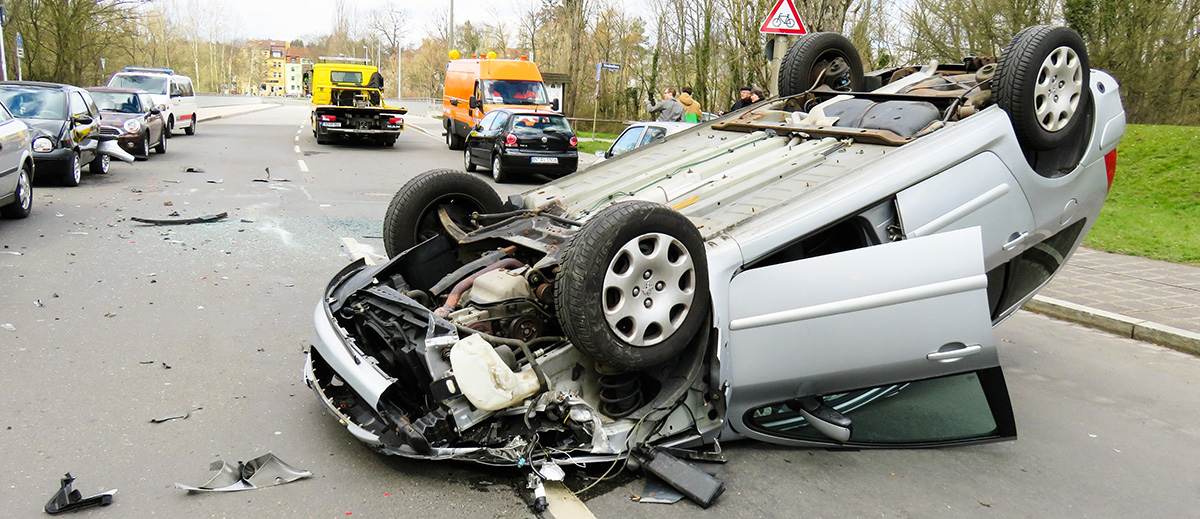
Car accidents are sudden, often leaving you in a state of shock and confusion. Whether it’s a minor fender bender or a more serious collision, knowing what to do right after the accident is crucial for your safety, well-being, and legal rights.
In this step-by-step guide, we’ll walk you through the immediate actions you should take after a car accident to protect yourself, your passengers, and your future claim. Let’s discuss the right way to approach this stressful situation.
1. Ensure Safety: Move to a Safe Location if Possible
The first thing you should do after an accident is make sure you and your passengers are safe. If the vehicles are still drivable and it’s safe to do so, move your car to the side of the road to avoid further collisions. However, if your car is severely damaged or you’re unable to move it, stay inside the vehicle with your seatbelt on until help arrives.
Why is this so important? Staying out of harm’s way reduces the chances of additional accidents. Remember, if you are in a busy area, it’s best to move as soon as possible, but don’t risk injury by attempting to drive if you feel the car isn’t safe to operate.
2. Call 911: Report the Accident
Even if the accident seems minor, it’s crucial to report it to the authorities. In many places, it’s required by law. Calling 911 ensures that police and emergency medical responders are notified and dispatched to the scene.
When you call, try to stay calm and provide the dispatcher with:
- The exact location of the accident
- A brief description of the accident
- Any injuries (if known)
Even if injuries aren’t apparent at first, it’s better to have medical professionals evaluate everyone at the scene. Some injuries, like whiplash or internal injuries, may not show symptoms immediately.
3. Check for Injuries and Provide Help
Once it’s safe, check yourself, your passengers, and others involved in the accident for injuries. If anyone is injured:
- Call for emergency medical help immediately.
- Avoid moving an injured person unless there’s an immediate danger (such as a fire).
- Apply basic first aid if you’re trained to do so.
Even if injuries seem minor, it’s important to let medical professionals evaluate them. Some injuries can worsen over time, and having a medical record can be vital if you decide to pursue a personal injury claim later.
4. Document the Scene
If it’s safe, begin documenting the scene of the accident. Photos, videos, and notes can all play an essential role in your insurance claim or personal injury lawsuit.
Here’s a checklist of what to document:
- The scene: Take photos of the entire scene, including the cars, street signs, traffic lights, and surrounding area. Try to capture the accident from different angles to show the full picture.
- Vehicle damage: Photograph the damage to all vehicles involved.
- Injuries: If there are visible injuries, document them, but avoid photos of sensitive areas or other people unless given permission.
- Road conditions: Take photos of road conditions, weather, or any other factors that could have contributed to the accident (e.g., skid marks, debris).
- License plates and details: Get the make, model, year, and license plate number of all involved vehicles. Also, jot down the driver’s details, including their name, contact info, and insurance information.
This documentation will help protect your rights if there’s a dispute later on.
5. Exchange Information with the Other Driver(s)
Exchange personal and insurance information with the other driver(s) involved in the accident. Be sure to collect the following:
- Name and contact information (address, phone number)
- Driver’s license number
- License plate number of the vehicle
- Insurance company name and policy number
- Make, model, and year of the vehicle
You should also request contact details of any witnesses who saw the accident occur. Their testimony could be helpful in the future.
6. Avoid Admitting Fault or Blaming Others
It’s natural to want to apologize or explain what happened, but avoid admitting fault or placing blame at the scene of the accident. Saying things like “I’m sorry” or “I didn’t see you” can be interpreted as an admission of guilt, even if that wasn’t your intent.
Instead, stick to the facts when speaking to the police or the other driver. Let the authorities and insurance companies determine fault based on the evidence and investigation.
7. Cooperate with the Police
When the police arrive, provide them with your version of the events in a clear, concise manner. Do not speculate or guess what happened—just stick to the facts. The police will file a report, and this report can be an important piece of evidence later on.
If you are issued a citation or are told you’re at fault, don’t argue at the scene. You have the right to contest any ticket or liability in court, and your lawyer can assist you in doing so.
8. Contact Your Insurance Company
Notify your insurance company as soon as possible after the accident. Most policies require you to report an accident promptly, typically within 24 hours. If you don’t report the accident on time, you may risk your claim being denied.
When you call, provide them with the information you’ve collected, including:
- A summary of the accident
- Police report details
- Photos and witness statements
Do not provide a recorded statement to the insurance company without consulting your lawyer first, as this could be used against you later.
9. Seek Medical Attention, Even if You Feel Fine
After the accident, even if you don’t feel injured, it’s important to see a doctor. Some injuries, like whiplash, concussions, or soft tissue injuries, might not show symptoms immediately but can worsen over time.
A medical evaluation also ensures that your injuries are documented, which is crucial if you decide to file a personal injury claim later. Remember, insurance companies and courts take medical records seriously.
10. Keep a Detailed Record of Your Recovery
If you’ve been injured in the accident, keep a detailed record of your recovery. This includes:
- Medical treatments, including physical therapy
- Missed work or lost wages
- Pain and suffering (e.g., how your injuries affect your daily life)
- Emotional distress (such as stress, anxiety, or depression)
This information will be valuable when negotiating a settlement or if you decide to pursue legal action.
11. Contact a Car Accident Lawyer
If you’ve been injured in the accident or if the damages are significant, it’s advisable to consult with a car accident lawyer. A lawyer can help you navigate the claims process, protect your rights, and ensure that you get fair compensation for your injuries.
We highly recommend injurylawyernyc.com if you’re looking for an experienced car accident lawyer in Queens, NYC—they’re known for their dedicated legal support and strong results.
Their personalized approach and deep understanding of local accident laws make them a trusted choice in the area.
A lawyer can also:
- Investigate the accident
- Communicate with insurance companies
- Negotiate settlements
- Represent you in court, if necessary
Having legal representation ensures that you aren’t taken advantage of by insurance companies or other parties involved.
12. Follow Up on Your Claim
After you’ve filed your claim, stay on top of the process. Follow up with your insurance company, your lawyer, and any medical providers to ensure your recovery and claim process are moving forward.
Make sure you receive all the treatment you need and that any compensation due to you is processed promptly. If there are any issues, stay proactive in addressing them.
Final Thoughts: Stay Calm, Stay Organized
A car accident can be a traumatic experience, but how you respond in the first moments can make a huge difference in the outcome. By staying calm, taking the right steps, and following through on your claim, you’ll increase your chances of a favorable resolution.
Let’s discuss: Have you experienced a car accident, and do you have any questions about the next steps or what to do after an accident? Your safety and well-being should be your first priority, and following this guide will help ensure that you take the right actions.
Stay safe on the roads, and remember that you have the right to seek legal help if you need it!