Adding an extra bathroom to your home is one of the most practical and value-boosting upgrades you can make. If you have a growing family, accommodating guests, or simply enhancing daily convenience, an additional bathroom can significantly improve the functionality and appeal of your space.
However, planning a bathroom addition requires thoughtful consideration, whether it’s selecting the right location or determining the best design and features. In this guide, we’ll explore the benefits of expanding your home with another room, along with essential tips to help you create a space that fits seamlessly into your property.
1. Increase Home Value and Appeal
One of the top benefits of adding an extra bathroom is the potential to increase your home’s market value. Homes with multiple bathrooms often appeal more to potential buyers, especially in larger families or multi-generational households. According to real estate experts, a well-designed bathroom addition can offer a strong return on investment (ROI), making it an excellent choice for homeowners looking to boost resale value. An extra space can be a key selling point, setting your home apart in a competitive market.
2. Enhanced Daily Convenience
For families sharing a single bathroom, adding another one can make mornings and evenings much smoother. With an additional bathroom, everyone can have more privacy and avoid the rush or waiting time associated with limited space. This is especially valuable for households with teenagers or frequent guests. Adding a powder room near the main living area, for example, ensures convenience for visitors without interrupting the privacy of personal bathrooms.
3. Choosing the Right Location
The location of your bathroom addition is a crucial factor in planning. Consider unused or underutilized spaces in your home, such as closets, part of a larger bedroom, or even under a staircase. Basements, garages, or spaces adjacent to existing plumbing can also be great locations for this type of addition. Choosing a spot close to existing plumbing lines can reduce the overall cost of the project, as it requires less extensive plumbing work, making installation faster and more budget-friendly.
4. Select the Bathroom Type That Fits Your Needs
There are several types to consider based on your needs and available space. A full bathroom includes a shower, bathtub, sink, and toilet, ideal for larger areas or guest suites. A three-quarter bathroom (with a shower, sink, and toilet) can be a practical choice for smaller spaces, providing convenience without the space requirement of a full bath. For smaller room additions, a powder room with just a sink and toilet can be a valuable and space-efficient solution, perfect for high-traffic areas.
5. Consider Plumbing and Electrical Requirements
Adding a new bathroom means extending plumbing and electrical lines to the new space, which can be one of the more complex aspects of the project. Working with a qualified plumber and electrician is essential to ensure the new space meets building codes and operates efficiently. Plumbing requirements vary based on your chosen fixtures, while electrical needs may include GFCI outlets, proper lighting, and ventilation fans. Planning these aspects carefully will ensure a safe and functional bathroom.
6. Optimize Space with Smart Design Choices
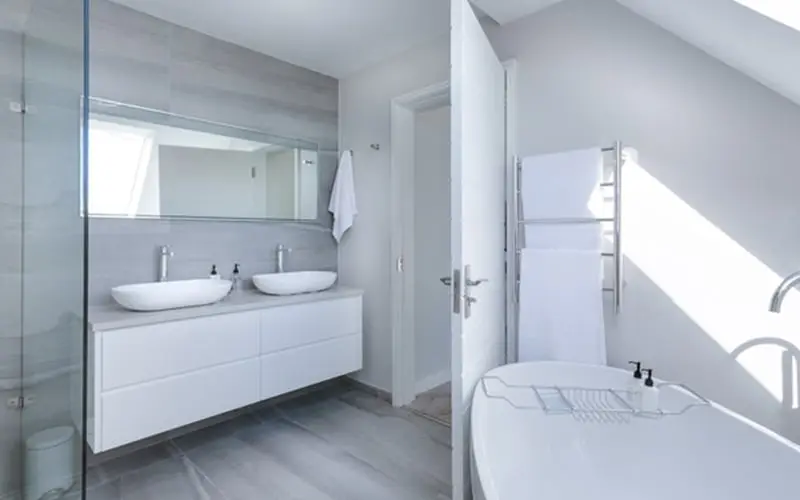
Even in a smaller area, you can make your new bathroom feel spacious and comfortable with smart design choices. Consider wall-mounted sinks, compact toilets, or corner showers to save floor space. Floating vanities and open shelving can add storage without overcrowding the room. Mirrors and light-colored tiles can also make the space feel larger and brighter, enhancing comfort and visual appeal. Thoughtful design can maximize both style and function in your new bathroom, no matter its size.
7. Choose Durable and Moisture-Resistant Materials
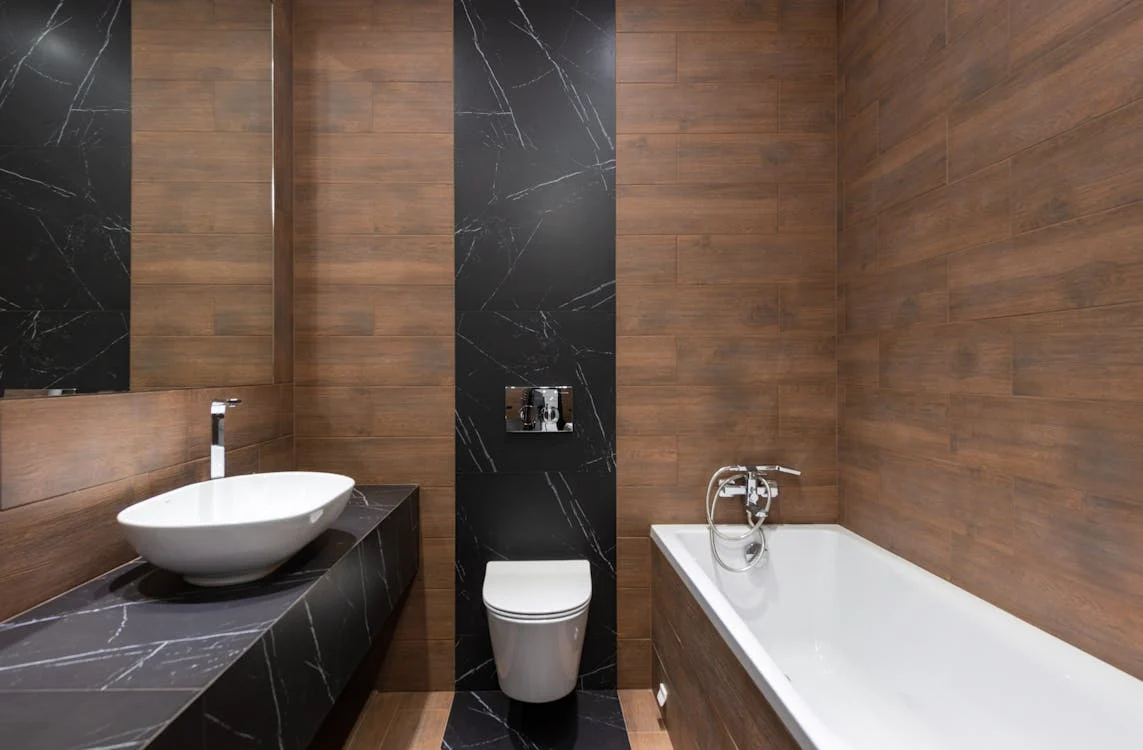
Bathrooms are exposed to high levels of moisture, so it’s important to select materials that can withstand humidity and frequent use. Tile, stone, and moisture-resistant paint are excellent options for walls and floors. Opt for countertops made from quartz or granite, as these materials are durable and easy to maintain. Be sure to choose cabinetry and fixtures that resist warping or damage from moisture to ensure your bathroom addition remains beautiful and functional over time.
8. Add Efficient Lighting and Ventilation
Proper lighting and ventilation are essential for any bathroom. Incorporate layered lighting, such as overhead lights, vanity lights, and accent lighting, to ensure visibility and ambiance. If your new bathroom has limited natural light, consider LED lighting for energy efficiency and brightness. Additionally, a high-quality exhaust fan is necessary to manage humidity, prevent mold growth, and keep the air fresh. For added convenience, consider a fan with a built-in timer or humidity sensor.
Apart from that, if you are interested to know about “Best Paint Finish for Bathroom” then visit our “Home Improvement” category.