Introduction
Getting the right fit for your shirts can sometimes be tricky, especially when they end up being bigger than you expected. Knowing how to shrink shirts properly can help prevent any damage.
Understanding the different fabric types is crucial, as each material reacts differently to shrinking methods. For instance, cotton shrinks well with heat, while polyester is more resistant.
Effective shrinking techniques include methods like hot water washing, boiling, and using high heat in the dryer, each with specific steps to follow for optimal results.
It’s also important to keep safety in mind; checking fabric care labels and handling hot water carefully can prevent damage to your garments.
Here’s a table showcasing different fabric types, shrinking methods, safety tips, an unshrinking guide, and common mistakes:
| Section | Details |
| Fabric Types | • Cotton: Shrinks well with heat • Polyester: Resistant to shrinking • Wool: Shrinks easily, needs gentle care • Blends: Vary, check labels |
| Shrinkage Methods | • Hot wash, high heat dry • Boiling water soak • Iron shrinking • Dryer-only method |
| Safety Tips | • Check care labels • Handle hot water carefully • Test small areas first • Avoid over-shrinking |
| Unshrinking | • Soak in lukewarm water with conditioner • Gently stretch while wet • Dry flat, reshaping periodically |
| Common Mistakes | • Shrinking delicate fabrics • Ignoring care labels • Over-shrinking beyond desired size |
Effective Techniques to Shrink Shirts at Home
Shrinking a shirt at home can be a practical solution when garments no longer fit as desired, and it often only requires common household tools. By combining heat and agitation, such as washing the shirt in hot water and then drying it on a high-heat setting, you can encourage the fibers — especially in cotton or natural blends — to contract and reduce in size. For more control over how much the shirt shrinks, you can adjust the water temperature, drying duration, or repeat the process in stages until the desired fit is achieved. With attention to fabric type and careful monitoring, this approach enables you to tailor the fit of your favorite shirts without professional alterations.
Understanding Fabric Types
Different fabrics give different results while shrinking using different methods. Common fabrics include:
- Cotton
This fiber is highly regarded for its excellent airflow and unmatched comfort. Cotton shirts shrink well and can be easily manipulated through washing and drying.
- Polyester
While this synthetic fabric doesn’t shrink as easily as cotton, it can still react to heat if treated properly.
- Wool
Shrinks easily but requires gentle handling.
- Blends
Shirts made from a combination of fibers may respond differently, so it’s crucial to check the label.
Knowing your shirt’s fabric composition will help you choose the most appropriate shrinking method and avoid potential damage.
How to Shrink Shirts? Methods
1. Hot Water Wash and High Heat Drying Technique

This is one of the most common and effective ways to shrink shirts, especially those made of cotton.
Steps:
- Adjust your washing machine to its highest water temperature setting. Hot water loosens the fabric fibers, making it easier to shrink.
- Run a regular wash cycle. Depending on the size of the shirt and fabric, you may need to repeat this step for more significant shrinkage.
- Transfer the shirt to the dryer immediately.
- Dry on the highest heat setting.
Pros: Effective for most fabrics, especially cotton.
Cons: It may cause uneven shrinkage or damage delicate fabrics.
2. Boiling Water Method
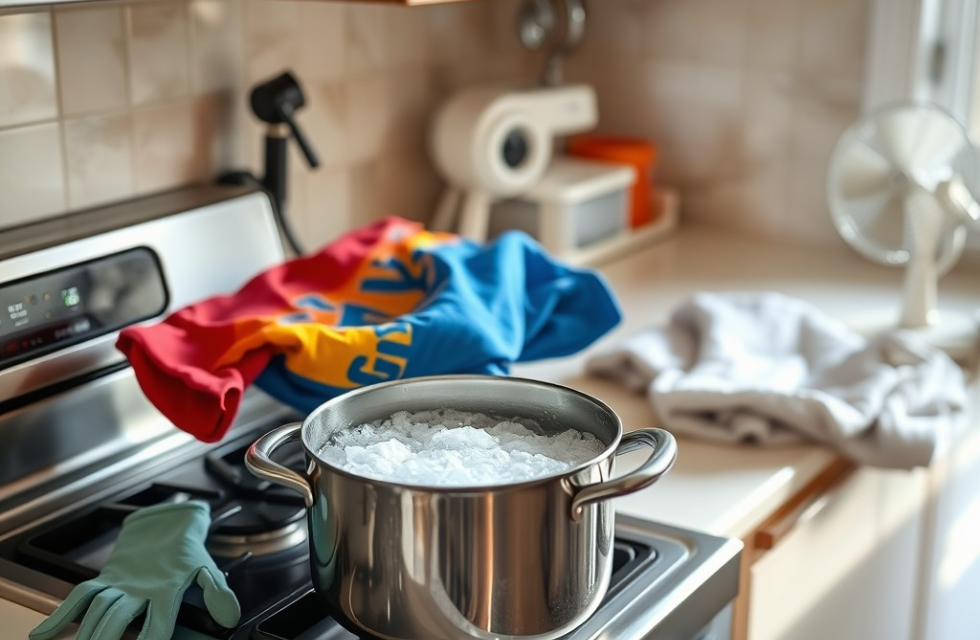
For a more controlled shrinking process, especially for stubborn fabrics, the boiling water method can be effective.
Steps
- Boil water.
- Carefully dip the shirt into the boiling water for 5 to 10 minutes, but avoid any burns.
- Remove the shirt using gloves and let it cool.
- Once done, squeeze out any extra water and dry it on high heat.
Caution: This method can be tough on fabrics, so use it carefully and sparingly.
3. Iron Shrinking Technique

For targeted shrinking or when dealing with delicate fabrics, the iron method offers more control.
Steps:
- Dampen the shirt evenly with a spray bottle.
- Set your iron to the right heat for the fabric you’re working with.
- Iron the shirt, specifically the areas that need to be shrunk.
- Repeat the process if necessary.
4. Dryer-Only Method

If you’re wondering how to shrink shirts in the dryer alone, this method can work, especially for pre-shrunk garments.
Steps:
- Begin by washing the shirt in hot water.
- Put it into the dryer.
- For 30 to 40 mins, let it get dry on high heat.
This method is gentler than the wash-and-dry method but may require multiple attempts for significant shrinkage.
Tips for Specific Fabrics
Cotton Shirts Shrinking
Cotton is the smoothest shrinking fabric. The hot water wash and high heat drying method works best. For a more controlled shrink, use warm water and medium heat in the dryer.
Handling Delicate Fabrics
Use lukewarm water for wool and silk, and let them get dry. Reshape the garment while damp to avoid misshaping. Avoid exposing these delicate fabrics to hot water or excessive heat.
Dealing with Synthetic Blends
Synthetic blends are more resistant to shrinking. You may need to combine methods, such as the boiling water technique followed by high-heat drying, to see noticeable results.
Maintaining Shirt Quality After Shrinking
To keep your newly shrunk shirt in good condition:
- Wash using cold water. Air dry.
- Iron on appropriate settings to maintain shape.
Tips for Controlled Shrinking

To achieve the best results when shrinking shirts, consider the following:
- Test for Shrinkage
Before fully committing, test a small area of the shirt to see how it reacts to heat and water.
- Measure Before and After
Keep track of the shirt’s dimensions before starting the shrinking process so you can gauge how much it has shrunk.
- Maintain Size
After shrinking, wash and dry the shirt in cold water and low heat to help maintain its new size.
Alternative Options
If you’re unsure about shrinking your shirt yourself, consider:
- Professional tailoring services for a precise fit.
- Using fabric sizing sprays to temporarily stiffen and shrink the fabric.
How to Unshrink a Shirt

Sometimes, you may unintentionally shrink a shirt more than expected. Here’s how to unshrink it:
- Fill a sink or bucket and pour water conditioner in it.
- Allow the shirt to soak for 15 minutes.
- Once soaked, carefully stretch the fabric while it’s still damp
- Lay it flat to dry, periodically stretching it to the desired size.
This approach is most effective for natural fibers such as cotton and wool.
Common Mistakes to Avoid
When attempting to shrink shirts, keep these common pitfalls in mind:
Shrinking Delicate Fabrics
Avoid shrinking shirts made from delicate fabrics like silk or wool, as they may not respond well to heat.
Ignoring Care Labels
Always check the care labels before trying to shrink a shirt to prevent damage.
Over-shrinking
Be cautious not to shrink the shirt beyond your desired size, as some methods may lead to irreversible changes.
Conclusion
Shrinking shirts can help you get a more customized fit, but it’s essential to know how to shrink shirts to avoid damage. Always consider the fabric type and choose the right method to prevent damage to your clothing. Remember, it’s easier to shrink a shirt gradually than to unshrink one that’s been over-shrunk.
Apart from that if you want to know about “Spring Purses 2024: How to Choose the Perfect Bag for Every Occasion?” then please visit our “Lifestyle” Category.
FAQs
To shrink an XL shirt to medium, use hot water in the washing machine or boil it for a short time, followed by high heat in the dryer. Check the size frequently to avoid over-shrinking.
Yes, boiling a shirt can potentially damage it, especially if it has printed designs, as the high temperature may affect the print quality.
Cotton tends to shrink more effectively in warmer water. Washing at 90°C causes more shrinkage compared to washing at 60°C. To avoid shrinkage, wash below 60 degrees.
In most cases, shrinkage is permanent, especially with natural fibers, unless the fabric is intentionally stretched back out.
Shirts typically shrink due to exposure to heat and agitation, especially during hot washing and high-heat drying cycles.