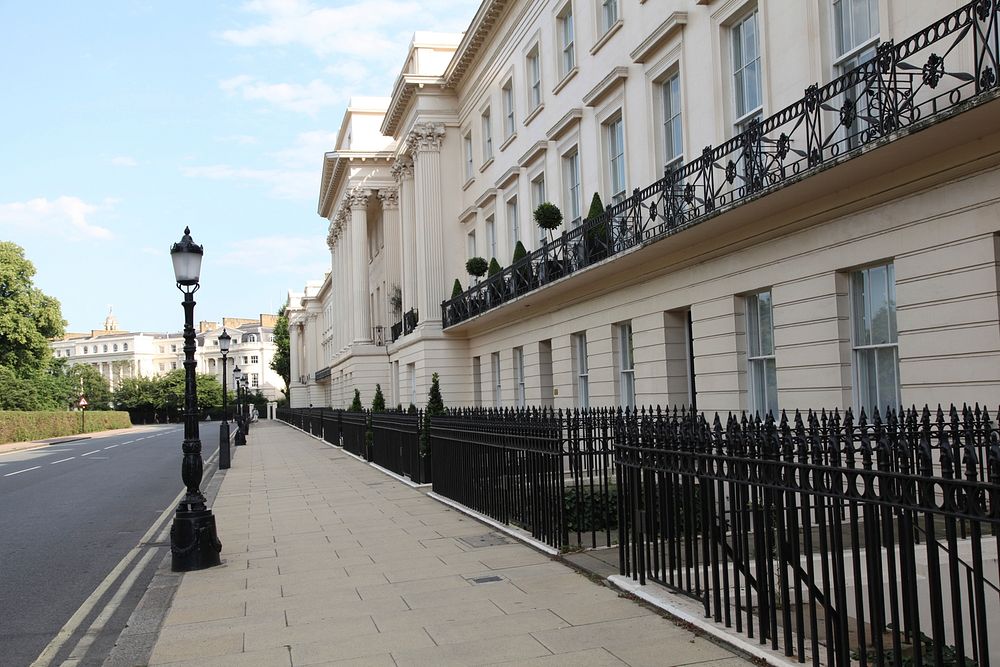
For decades, Prime Central London (PCL) has been seen as one of the world’s most reliable safe havens for global wealth. From sovereign investors to private family offices and high-net-worth individuals, the area has consistently attracted buyers seeking a secure and prestigious foothold in the UK capital. But in 2025, amid evolving political landscapes, inflationary pressures, and global uncertainty, the question arises: Is Prime Central London still the resilient investment destination it once was?
Despite the fluctuations in the global economy and shifts in domestic policy, confidence in PCL remains strong. The area continues to draw attention from international investors, particularly in prestigious postcodes like Belgravia, Mayfair, Kensington, and Houses for Sale St Johns Wood, where demand for high-quality properties shows no signs of slowing down. These areas are more than just places to live—they are seen as long-term strategic assets in any global property portfolio.
Political Stability Amid a Changing Landscape
One of the main reasons Prime Central London has maintained its appeal is the UK’s enduring political stability—especially when compared with many other parts of the world. While Brexit and recent general elections may have sparked concerns in previous years, 2025 has brought a more balanced political climate. A growing emphasis on international trade, infrastructure development, and foreign investment has restored investor confidence.
London continues to be a legal and financial epicentre, supported by an independent judiciary and transparent regulatory systems. These structures give foreign buyers assurance that their assets are protected by a strong rule of law. Regardless of who holds office, the UK’s property rights and tax frameworks remain comparatively secure, giving investors the clarity they need when making significant financial decisions.
Economic Resilience and Market Fundamentals
The economic landscape in 2025 is undoubtedly complex. Inflation remains a concern in many parts of the world, interest rates are stabilising after a volatile period, and currency markets are still adjusting post-pandemic. Yet London’s prime property market remains remarkably resilient. The underlying fundamentals—limited supply, high demand, and global desirability—continue to underpin PCL’s long-term value.
Prime Central London is a geographically constrained area. New developments are tightly regulated due to conservation rules and heritage protection, particularly in areas like St John’s Wood. This limited stock ensures that premium properties retain their value over time. Even during downturns, the decline in prices is often shallower and the recovery quicker than in other markets. Investors recognise this and continue to treat PCL as a core asset in their portfolios.
International Appeal Remains Strong
Another reason Prime Central London endures as a safe haven is its international appeal. The city is home to some of the world’s best schools, medical facilities, cultural institutions, and green spaces. Whether buyers are from the Middle East, Asia, the United States, or Europe, they see London as a cosmopolitan, welcoming city where their families can thrive.
Currency fluctuations have also played a role in keeping London attractive. With the British pound remaining competitive, overseas buyers—particularly from dollar-denominated economies—find value in acquiring UK assets. This currency advantage adds an extra layer of appeal, especially when purchasing trophy homes or investing in family estates.
Resilient Micro-Markets Within PCL
While the broader Prime Central London area remains strong, certain neighbourhoods stand out for their enduring appeal and growth potential. St John’s Wood, in particular, offers a compelling mix of privacy, proximity to Regent’s Park, excellent schools, and architectural charm. Demand for houses for sale St Johns Wood remains high, particularly among families, international professionals, and buyers seeking a more tranquil but connected lifestyle within the capital.
Unlike the hyper-urban feel of Mayfair or Knightsbridge, St John’s Wood offers a village-like atmosphere that appeals to those looking for spacious homes, gardens, and community without sacrificing access to the West End and central financial districts. The area’s prestige, combined with limited stock and strong local amenities, ensures it continues to perform well in times of uncertainty.
The Outlook for 2025 and Beyond
Looking ahead, Prime Central London appears set to maintain its reputation as a global safe haven. While no market is entirely immune to geopolitical and economic turbulence, PCL’s long-term resilience, combined with its cultural cachet and legal protections, positions it as a secure destination for capital.
Government policies in 2025 have also taken a more measured approach toward foreign investment in property, avoiding overly restrictive measures that might scare off international buyers. Instead, policymakers have focused on ensuring housing stock for locals while still promoting London as a global hub.
Conclusion
In a world defined by change and unpredictability, Prime Central London continues to represent a solid, long-term investment for those seeking security, status, and stability. The mix of legal certainty, political maturity, and enduring demand ensures that areas like Mayfair, Belgravia, and houses in St Johns Wood remain among the most attractive places to invest globally.
For buyers seeking not only a place to live but a way to preserve and grow wealth across generations, Prime Central London in 2025 still ticks all the right boxes. It may no longer be seen as an “untouchable” market immune to every global trend, but its core strengths remain unshaken—making it a true safe haven in an increasingly complex world.
Apart from that, if you want to know more about Discovering Davao: A Comprehensive Guide to Properties for Sale then visit our Real Estate category.