The Mind Flayer is one of the defining monsters in Stranger Things. It controls creatures, possesses people, and connects much of Hawkins’ supernatural history. The final season also changes how viewers should understand its relationship with Henry Creel.
Quick answer: In Stranger Things, the shadow entity is an ancient supernatural force associated with the Abyss and its hive mind. Henry Creel joins with it rather than simply creating it. Season 5 leaves some control questions intentionally open, although Henry ultimately chooses its side.
Key Facts at a Glance
| Topic | Key detail |
|---|---|
| Franchise | Stranger Things |
| First major appearance | Season 2 |
| Other name | Shadow Monster |
| Home | The Abyss |
| Main ability | Psychic hive-mind control |
| Major human hosts | Will Byers and Billy Hargrove |
| Connection to Vecna | Henry joins with the entity and works through its power |
| Name inspiration | The Dungeons & Dragons creature |
| Final-season role | Central threat in the battle against Hawkins |
| Status after finale | Its giant physical form is defeated. |
Key Takeaways
- The creature’s name comes from the kids’ Dungeons & Dragons vocabulary.
- The Netflix monster is not the same creature as D&D’s illithid species.
- Its strongest weapon is control through a shared psychic network.
- Will’s long connection becomes important again during the final season.
- Season 5 complicates the earlier idea that Henry simply created the entity.
- The finale destroys its massive physical form during the battle in the Abyss.
What Is the Mind Flayer in Stranger Things?
The Mind Flayer is a vast supernatural intelligence tied to the creatures attacking Hawkins. It can connect living beings through a shared mental network. That ability makes individual monsters function like parts of one larger system.
The children first understand the threat through Dungeons & Dragons language. Mike and Dustin name the shadow monster after a creature from their tabletop game. Netflix confirms that the name is an analogy created by the characters.
The comparison helps the group explain something they cannot classify scientifically. Their monster resembles the game creature through psychic domination and mental control. Still, the television entity has its own mythology and history.
Where Does the Creature Come From?
Season 5 provides a clearer map of the supernatural dimensions surrounding Hawkins. The hostile creatures originate in a dimension called the Abyss. The Upside Down instead functions as a connection between Hawkins and that other world.
That distinction changes several older assumptions about the series. Eleven banished Henry Creel into the Abyss after their confrontation at Hawkins Lab. Later events helped create the Upside Down connection that allowed threats to reach Hawkins.
The enormous shadow entity already existed within that supernatural ecosystem. Henry eventually became deeply connected with its power and purpose. This history makes their relationship more complicated than a simple creator-and-creation explanation.
How Its Powers Work
The entity’s most dangerous ability is its hive mind. Creatures connected to the network can share information, pain, and commands. That connection lets one intelligence coordinate threats across different locations.
Possession gives the network another route into the human world. Will becomes connected to the creature during the early seasons. Billy later becomes one of its most important controlled human agents.
The entity can also influence physical organisms and build bodies through them. Season 3 shows possessed rats and people becoming material for a terrifying physical form. Netflix’s recap describes those remains combining into its Hawkins manifestation.
Its abilities can be summarized through four main functions:
- Psychic control over connected hosts
- Shared awareness across the hive mind
- Possession of humans and animals
- Physical manifestations built from controlled organic matter
Why Will Byers Matter So Much?
Will’s connection begins long before the final confrontation. The creature uses him as a spy during Season 2. Even after that direct possession ends, he retains sensitivity to the supernatural network.
That history becomes crucial during the final season. Will gains the ability to use his connection against Vecna and nearby monsters. Netflix describes him taking control of Demogorgons and disrupting Vecna during Season 5.
His arc creates an important contrast with Henry. Both characters become connected to the same supernatural evil. Will resists that influence, while Henry eventually embraces his bond with it.
Readers revisiting the show may also enjoy Magazine Camp’s best limited series recommendations. The list offers shorter television choices across several genres. It is useful after completing a long series such as Stranger Things.
Mind Flayer and Vecna: Who Was Really in Control?
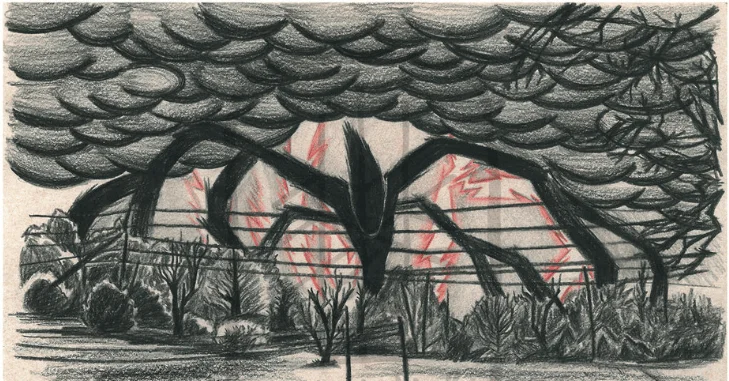
Season 4 encouraged a straightforward interpretation of Henry’s role. Viewers saw him encounter a cloud-like supernatural force and give it a spider-shaped appearance. That imagery suggested he had shaped the force into his preferred form.
Season 5 deliberately makes the relationship less simple. Will believes the entity may have manipulated Henry from an early stage. Henry rejects that interpretation and insists that joining it reflected his own choice.
The Duffer Brothers chose not to settle every part of that question. Ross Duffer said the audience can decide how much control the creature exercised over young Henry. Henry’s final decision matters more because he chooses the entity’s side.
That means neither “Vecna created everything” nor “Vecna had no agency” fully matches the ending. Their partnership becomes mutually destructive and deeply intertwined. The story treats Henry’s willing allegiance as the decisive moral point.
How the Season 5 Finale Changes the Story
The finale takes the characters directly into the Abyss for their last major battle. There, the Pain Tree reveals itself as the creature’s enormous physical form. The Hawkins group attacks it while Eleven confronts Henry inside the larger conflict.
Nancy draws the monster toward the group’s planned attack. Jonathan and Robin strike from above, while other characters attack from different positions. The coordinated assault eventually destroys the towering physical creature.
That victory also reinforces one of the show’s oldest themes. No single hero defeats Hawkins’ supernatural threat alone. Friendship and coordinated action repeatedly counter the hive mind’s forced unity.
For more entertainment coverage, browse Magazine Camp’s entertainment section. It collects television, film, celebrity, and broader culture stories. New articles can also provide natural follow-up reading after franchise explainers.
Is the Stranger Things Monster the Same as the D&D Creature?
No. The television monster borrows a name from Dungeons & Dragons, but the two are different fictional beings. The characters use tabletop terminology because it gives them a familiar framework.
In D&D, mind flayers are commonly called illithids. They are humanoid aberrations known for psychic abilities and consuming humanoid brains. They belong to D&D lore rather than the mythology created for Netflix’s series.
The show follows this naming pattern with several threats. Its characters also borrow terms such as Demogorgon and Vecna. Those labels help them describe unfamiliar enemies through a game they already understand.
That distinction matters for searchers encountering both franchises. A D&D rules question needs tabletop sources and edition details. A Stranger Things question instead requires the show’s changing supernatural mythology.
Magazine Camp readers who enjoy testing screen knowledge can also try the site’s movie trivia questions and answers. The collection covers films, actors, franchises, and awards. It works well for casual game nights between streaming sessions.
What Are the Creature’s Weaknesses?
Heat has repeatedly disrupted creatures and hosts connected to the supernatural network. Joyce, Jonathan, and Nancy use intense heat while trying to drive the influence from Will. Similar reactions appear elsewhere in the series.
Closing dimensional access also weakens threats operating in Hawkins. Eleven closes the Hawkins Lab gate at the end of Season 2. Joyce and Hopper later help shut the Russian gate beneath Starcourt.
Season 5 adds coordinated physical destruction to that pattern. The final group battle uses fire, projectiles, spears, and planned positioning. Their success depends on attacking several vulnerabilities while Eleven confronts Henry.
Why the D&D Name Fits So Well
The borrowed name works because both concepts center on domination of thought. The D&D creature threatens individuals through psychic power. The television version expands that idea into an enormous connected system.
The name also reflects how the children process danger. They rarely possess official scientific language for what they encounter. Dungeons & Dragons becomes their shared vocabulary for creating plans and comparing threats.
That storytelling device keeps fantasy language connected to character development. The terminology does not mean both fictional universes share continuity. It shows how young players use familiar stories to interpret frightening experiences.
Frequently Asked Questions
What is a Mind Flayer in Stranger Things?
A Mind Flayer is the name the Hawkins children give the giant psychic entity connected to their supernatural enemies. It controls hosts through a hive mind. Its mythology becomes clearer across Seasons 2 through 5.
Did Vecna create the shadow monster?
The final season makes that answer uncertain. Henry shaped its familiar spider-like appearance and chose to join with its power. The creators intentionally leave open whether the entity had influenced him earlier.
Why is Will still connected to the supernatural creatures?
Will was possessed and used as part of the hive network during Season 2. That connection never disappears completely after he is freed. Season 5 turns the lingering bond into a weapon against Vecna.
Is the Stranger Things version from Dungeons & Dragons?
The name comes from Dungeons & Dragons, but the Netflix creature is different. The children borrow the term because its psychic domination resembles the game concept. The show builds a separate origin, history, and set of abilities.
Does the creature die in Stranger Things 5?
Its huge physical form is slain during the final battle in the Abyss. The group attacks it together while Eleven fights Henry. The finale presents that destruction as part of ending the immediate supernatural threat.
Final Takeaway
The shadow entity connects many of the show’s biggest mysteries. Its hive mind explains possession, coordinated monsters, and Will’s lasting supernatural sensitivity. Season 5 also gives that long-running connection a direct role in the ending.
The final episodes make Henry’s relationship with the entity more morally complex. They stop short of giving viewers a simple puppet-master answer. Instead, Henry’s decision to remain aligned with it becomes the critical point.
For viewers revisiting Stranger Things, watch Seasons 2, 4, and 5 with that relationship in mind. Those chapters show the biggest changes in what audiences know. They also make the final confrontation much easier to understand.
—–