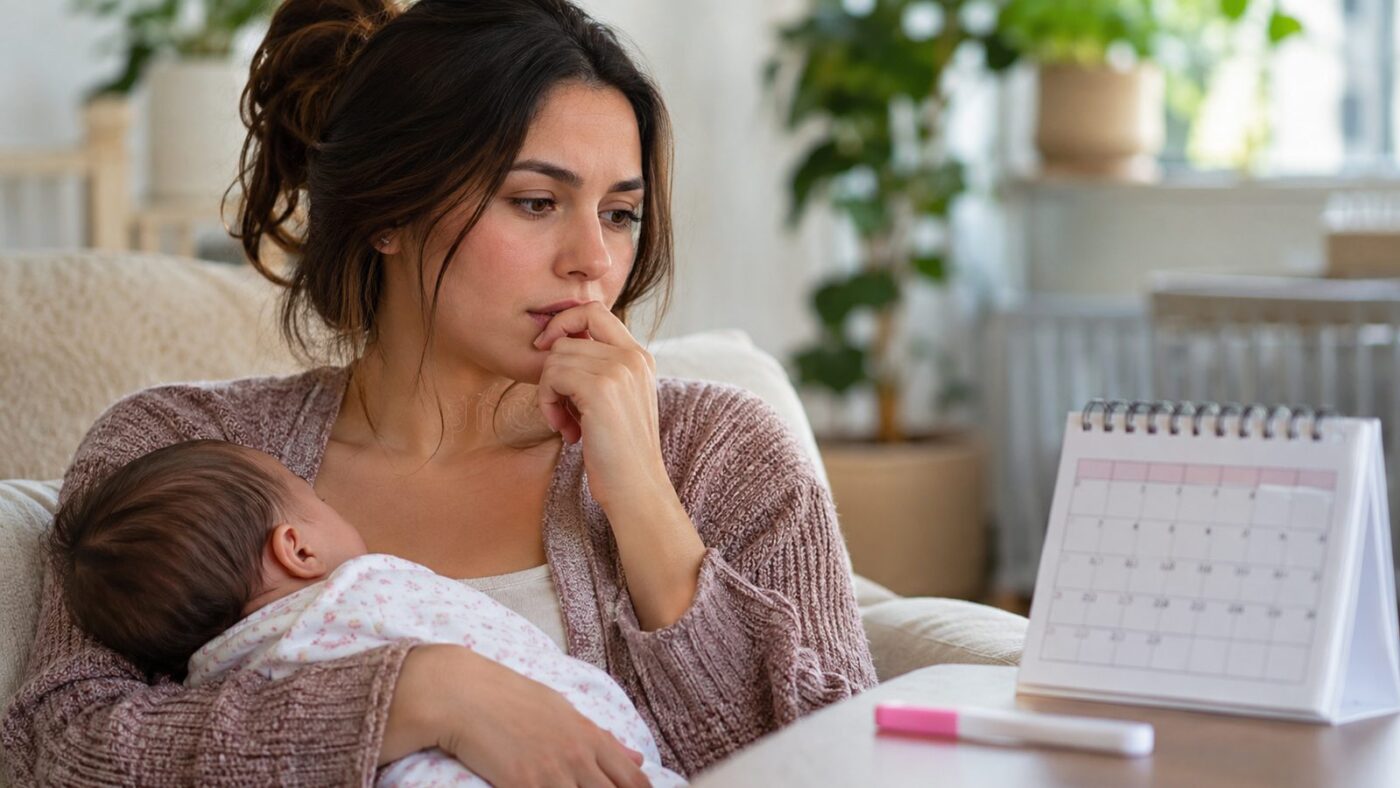
Having no period after pregnancy is often normal, especially while breastfeeding. Your hormones need time to shift after delivery. Still, certain timelines and symptoms deserve a conversation with your healthcare professional. Direct answer: If you aren’t breastfeeding, periods often return around six to eight weeks after delivery. Exclusive breastfeeding can delay them for months because prolactin suppresses ovulation. Contact a clinician if periods stay absent well beyond your expected timeline or you develop concerning symptoms. Medical note: This article provides general health information for U.S. readers. It cannot diagnose the cause of a missed postpartum period. Contact your healthcare professional for advice based on your pregnancy, delivery, medications, and health history.
| Situation | What may be typical | When to consider medical advice |
|---|---|---|
| Not breastfeeding | Periods often return around 6–8 weeks | Check in if they remain absent for several months |
| Exclusively breastfeeding | Periods may stay away for months | Ask if they remain absent about 3 months after stopping |
| Using hormonal birth control | Bleeding may become light, irregular, or stop | Ask about unexpected changes or pregnancy concerns |
| Possible new pregnancy | Ovulation can occur before the first period | Take a pregnancy test if pregnancy is possible |
| Heavy bleeding | Mild changes can occur postpartum | Soaking a pad an hour needs urgent medical care |
When Do Periods Usually Return After Pregnancy?
The timing varies considerably from one person to another. Breastfeeding pattern is one of the strongest factors affecting the return of menstruation. Delivery by cesarean section does not automatically mean periods will return later. If you aren’t breastfeeding, your first period often appears around six to eight weeks postpartum. Some people begin menstruating sooner, while others take longer. Hormonal recovery does not follow an exact calendar. Breastfeeding can delay menstrual cycles for several months. Frequent nursing increases prolactin, a hormone that can suppress ovulation. This period without menstruation is called lactational amenorrhea. Exclusive breastfeeding may keep periods away until feeding becomes less frequent. Menstruation sometimes returns after longer nighttime stretches or the introduction of solid foods. Some nursing parents do not menstruate until they substantially reduce breastfeeding. The American College of Obstetricians and Gynecologists explains that breastfeeding can delay ovulation. It also notes that ovulation can return before menstruation. That distinction matters when thinking about contraception and pregnancy risk.
No Period After Pregnancy When to Worry About the Delay
A delayed period alone does not usually signal a problem soon after childbirth. Breastfeeding, contraception, sleep disruption, and postpartum hormonal changes can all affect menstrual timing. Your personal circumstances matter more than a single calendar date. If you stopped breastfeeding, consider contacting your clinician if menstruation has not returned after about three months. This does not mean something serious is happening. It gives your clinician a chance to review pregnancy risk, hormones, medications, and other possible causes. If you are not breastfeeding, a medical check-in is reasonable when periods remain absent for several months. You should not feel required to wait for a specific deadline if you are worried. By about six months postpartum, an unexplained absence deserves evaluation. Magazine Camp’s overview of OBGYN care and reproductive health explains why menstrual concerns often belong in routine gynecologic care. An OB-GYN can evaluate symptoms within the context of your full reproductive history. That approach is more useful than relying on timing alone.
Lochia Versus a Period After Birth
Bleeding soon after delivery is usually lochia, not a menstrual period. Lochia contains blood, mucus, and tissue from the uterus after pregnancy. It commonly continues for several weeks while gradually becoming lighter. Early lochia can appear bright or dark red. It usually becomes pink, brown, yellow, or pale as recovery progresses. Activity can sometimes temporarily increase the amount you notice. A true period happens after menstrual cycling begins again. It may be heavier, lighter, longer, or more irregular than your periods before pregnancy. Several cycles can pass before your pattern feels familiar again. Cleveland Clinic’s guide to period changes after pregnancy also distinguishes lochia from menstruation. The difference can be difficult to judge from appearance alone. Ask your clinician when bleeding seems unusual or does not follow a typical recovery pattern.
You Can Get Pregnant Before Your First Postpartum Period
Ovulation happens before menstrual bleeding. Therefore, an egg can be released before you see your first postpartum period. Pregnancy is possible even when menstruation has not returned. Take a home pregnancy test if you have had sex that could result in pregnancy. Testing is especially sensible when breastfeeding patterns have changed. It also matters if you missed contraception or have new pregnancy symptoms. Breastfeeding can reduce fertility, but it is not automatically reliable contraception. The lactational amenorrhea method has specific requirements. These include frequent breastfeeding, continued amenorrhea, and being within six months of delivery. Discuss contraception during postpartum care if you want to avoid another pregnancy. Options include progestin-only pills, implants, hormonal IUDs, injections, condoms, and other methods. Your medical history and breastfeeding plans can guide the choice. For broader planning considerations, Magazine Camp also covers family planning and emotional health. Postpartum reproductive decisions can involve both physical and emotional factors. Support can make those choices easier to manage.
Other Reasons Your Period May Not Have Returned
Breastfeeding is only one possible explanation for missing periods after childbirth. Pregnancy should be considered whenever conception is possible. Several medications and hormonal conditions can also affect menstrual cycles.
Hormonal Birth Control
Progestin-only birth control can reduce or completely stop menstrual bleeding. Examples include the progestin-only pill and contraceptive implant. Hormonal IUDs can also make periods lighter or absent. The Depo-Provera shot often changes bleeding patterns as well. Irregular bleeding or absent periods may continue during treatment. The return of regular cycles can also take time after stopping injections. Do not stop prescribed contraception solely to make a period return. Discuss unexpected bleeding changes with the prescribing clinician instead. They can explain what is typical for your specific method.
Thyroid Problems, High Prolactin, and PCOS
Thyroid disorders can interfere with the hormones that regulate menstruation. Both thyroid symptoms and menstrual changes can appear during the postpartum period. Blood testing can help determine whether thyroid function is involved. High prolactin outside normal breastfeeding can also suppress ovulation. Milky breast discharge when you are not nursing deserves medical attention. Headaches or vision changes make evaluation more important. Polycystic ovary syndrome, or PCOS, can also cause irregular or absent periods. Some people had PCOS before pregnancy without receiving a diagnosis. Postpartum cycle changes may make the pattern more noticeable.
Stress, Nutrition, and Weight Changes
Major stress can affect signals between the brain and reproductive system. The postpartum period often includes major sleep changes and emotional strain. These factors may contribute to irregular menstrual cycles. Large weight changes can also affect ovulation. Significant calorie restriction or excessive exercise may disrupt menstrual hormones. Your clinician can help assess these factors without assuming they are the only explanation.
Rare Causes of Missing Postpartum Periods
Most absent postpartum periods are not caused by rare complications. Still, certain medical histories make uncommon causes worth discussing. These conditions need professional evaluation rather than self-diagnosis. Sheehan syndrome can occur after severe blood loss during childbirth damages the pituitary gland. Symptoms may include absent periods, severe fatigue, low blood pressure, or failure of breast milk to come in. The condition is uncommon in modern U.S. obstetric care. A history of major postpartum hemorrhage makes those symptoms more relevant. Tell your clinician about the amount of blood loss during delivery if you know it. Do not assume fatigue alone indicates this condition. Asherman syndrome involves scar tissue inside the uterus. It can occur after uterine procedures, particularly dilation and curettage, also called D&C. The condition may cause absent or unusually light periods. A history of D&C after delivery, miscarriage, or retained placental tissue may be relevant. Pelvic pain with little or no menstrual bleeding can also warrant evaluation. Asherman syndrome remains an uncommon explanation for postpartum amenorrhea.
Symptoms That Should Prompt a Clinician Visit
Make an appointment if your period remains absent about three months after you stop breastfeeding. If you are not breastfeeding, contact your clinician when the delay extends for several months. By around six months postpartum, unexplained amenorrhea should be discussed. You should also contact a healthcare professional if you have:
- A positive home pregnancy test.
- Persistent headaches or new vision changes.
- Milky nipple discharge when you are not breastfeeding.
- Pelvic pain with absent or extremely light periods.
- Symptoms of thyroid problems.
- A history of severe postpartum hemorrhage with ongoing hormonal symptoms.
- No period after a postpartum D&C or other uterine procedure.
These symptoms do not identify a diagnosis on their own. They help clinicians decide which questions, tests, or examinations may be useful. Evaluation may include pregnancy testing, medication review, hormone tests, or pelvic imaging.
When Heavy Postpartum Bleeding Is an Emergency
Heavy bleeding is different from simply waiting for a period to return. Soaking through about one pad in an hour is a warning sign. Seek urgent medical care, especially if the bleeding continues or you feel faint. Emergency evaluation is also appropriate for severe dizziness, weakness, breathing trouble, or loss of consciousness. Large clots combined with heavy ongoing bleeding also deserve prompt attention. Postpartum hemorrhage can occur after someone has already returned home. Fever, worsening pelvic pain, or foul-smelling discharge also requires medical advice. These symptoms may indicate infection or another postpartum complication. Do not wait for a routine menstrual cycle to resolve them.
What Your Clinician May Check
Your clinician will usually begin with your postpartum timeline. They may ask about breastfeeding, contraception, sexual activity, delivery complications, and recent weight changes. Your menstrual history before pregnancy can provide useful context. A pregnancy test is often an early step when pregnancy is possible. Blood tests may assess thyroid function, prolactin, or other hormones. Testing depends on your symptoms and medical history. Pelvic ultrasound or other imaging is not necessary for everyone. It may become useful when structural problems are suspected. A prior D&C, unusual pelvic pain, or abnormal bleeding can influence that decision.
FAQ
Does breastfeeding change when to worry about no period after pregnancy?
Yes, breastfeeding can substantially delay the return of menstruation. Frequent nursing may suppress ovulation for months through lactational amenorrhea. Ask your clinician if periods remain absent about three months after you stop breastfeeding.
Can I get pregnant without having a postpartum period first?
Yes, pregnancy can occur before the first menstrual period. Ovulation happens before the bleeding that follows it. Take a pregnancy test when conception is possible and your cycle has not returned.
Is bleeding six weeks after delivery definitely my period?
No, bleeding around that time may still be lochia. It could also represent a returning menstrual cycle. Your bleeding pattern, breastfeeding status, and recent recovery can help your clinician distinguish them.
Can birth control stop my postpartum periods?
Yes, several hormonal methods can make bleeding lighter or stop it. Progestin-only pills, implants, hormonal IUDs, and Depo-Provera can change menstrual patterns. Ask your clinician what to expect from your specific method.
Should I worry if my first postpartum period is different?
Some change is common after pregnancy. The first few cycles may be heavier, lighter, longer, or less predictable. Seek care for severe pain, persistent concerning changes, or unusually heavy bleeding.
The Bottom Line
The return of menstruation after pregnancy has a wide normal range. Breastfeeding can delay periods for months, while non-breastfeeding parents often menstruate much sooner. Hormonal contraception can shift the timeline further. Pregnancy remains possible before your first period because ovulation occurs first. Take a pregnancy test whenever pregnancy is possible and you are unsure. A simple test can answer an important question early. Contact your healthcare professional when periods remain absent beyond the expected postpartum window. Seek care sooner if headaches, vision changes, unusual milk discharge, or severe pelvic symptoms appear. Soaking a pad in an hour is an urgent reason to get medical help. —