Language is full of colorful expressions, idioms, and phrases that often confuse learners and language enthusiasts alike. One such phrase, “squabble up,” may catch your attention if you’ve heard it in casual conversations or read it in informal texts. If you’re wondering about the squabble up meaning, this comprehensive guide will clarify what it means, where it’s used, and how to apply it naturally in everyday speech. Elsewhere on the site: Actus Reus.
What Does “Squabble Up” Mean?
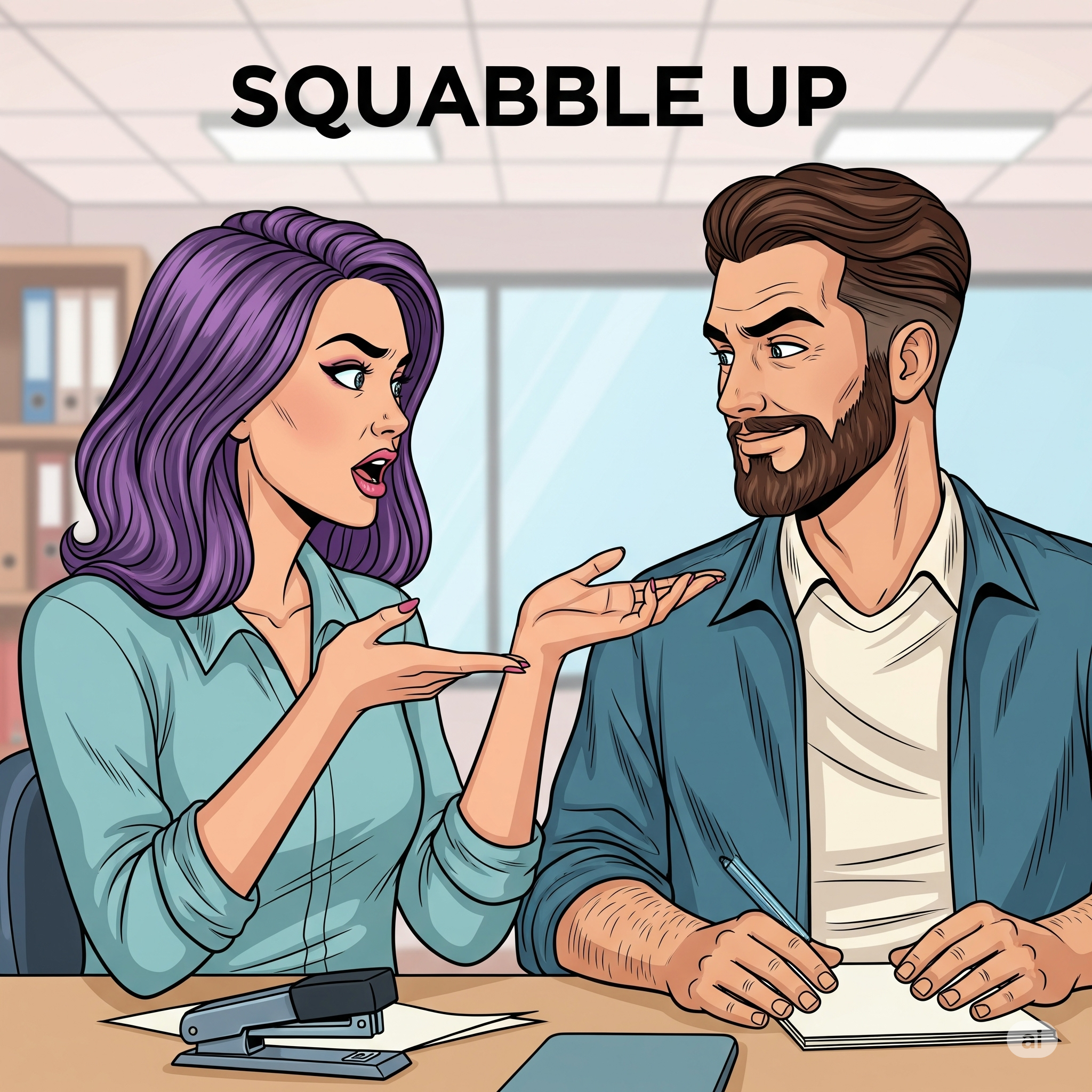
The phrase “squabble up” is derived from the word “squabble,” which refers to a noisy quarrel or an argument, typically about something trivial or petty. When we add the preposition “up,” it serves to intensify or emphasize the action, making “squabble up” mean to engage in or escalate a petty fight or argument.
Simply put, squabble up meaning revolves around individuals or groups having a minor or childish dispute—often over something insignificant. This phrase is informal and usually used in conversational English or in narratives that depict everyday interactions or conflicts.
Origins and Contextual Use of “Squabble Up”
The root word squabble dates back to the late 16th century, likely originating from the Low German word quabbeln or the Middle Dutch quabbelen, both meaning “to quarrel.” While “squabble” has long been a part of English vocabulary, the addition of “up” as a particle is a modern colloquial development, common in casual speech to convey the idea of intensification.
In everyday conversations, people might say, “They started to squabble up over the last slice of pizza,” meaning the individuals began arguing more intensely or noisily. This phrase often appears in social scenarios, family settings, or among friends, where minor disagreements are commonplace.
Examples of “Squabble Up” in Sentences
To better understand the phrase, here are some practical examples showcasing different uses of “squabble up”:
- Example 1: “The siblings tend to squabble up whenever they can’t decide who gets to play video games first.”
- Example 2: “There’s no need to squabble up about small details; let’s focus on the bigger picture.”
- Example 3: “The teammates began to squabble up after the coach blamed them for the loss.”
- Example 4: “At family dinners, some relatives often squabble up over politics, but it usually blows over quickly.”
How to Use “Squabble Up” Correctly
When incorporating “squabble up” into your vocabulary, it’s important to remember its informal nature. It’s suitable for casual conversation, storytelling, or writing dialogue but should be avoided in formal writing or professional contexts.
Here are some tips on usage:
- Use it to describe minor disputes: The phrase highlights trivial arguments rather than serious conflicts.
- Appropriate with friends, family, or informal groups: It reflects everyday interactions where small disagreements are common.
- Pair with subjects who have a direct involvement in the argument: For example, “the children squabbled up” or “the coworkers squabbled up.”
Synonyms and Related Expressions
If you want to vary your language or understand similar expressions, here are some synonyms and related phrases that convey a similar meaning to “squabble up”:
- Argue – A more general term for disagreement
- Bicker – Suggests petty or persistent arguing
- Quarrel – Usually denotes a heated argument
- Fight over – Indicates a dispute about something specific
- Have a spat – A short, usually minor argument
While “squabble up” emphasizes both the initiation and slight escalation of trivial arguments, these alternatives may fit depending on formality and intensity.
Why Understanding Phrases Like “Squabble Up” Matters
Language learners and writers often struggle with relatively unknown idiomatic expressions and phrasal verbs. Knowing the squabble up meaning can enrich your vocabulary by giving you tools to describe everyday social dynamics more vividly.
Additionally, this phrase adds a splash of informality and regional flavor, which can make your conversations and writing more relatable and authentic. Understanding such colloquial language helps bridge cultural gaps, especially in English-speaking countries where informal expressions are common.
Frequently Asked Questions About “Squabble Up”
Is “squabble up” a common expression?
While not as ubiquitous as the word “squabble” itself, “squabble up” is a recognizable colloquialism in informal English, especially among younger speakers or in casual settings.
Can “squabble up” be used in formal writing?
It’s best avoided in formal writing because it sounds informal and conversational. Instead, use terms like “disagree” or “argue” in academic or professional contexts.
Does “squabble up” always refer to physical fights?
No, “squabble up” typically refers to verbal disputes or arguments rather than physical fights. It implies minor and often petty disagreements.
Conclusion
In summary, the squabble up meaning captures the essence of engaging in petty or trivial arguments, often with a touch of escalation or emphasis. It’s an informal phrase commonly used to describe minor disputes in everyday life. Knowing when and how to use “squabble up” can add nuance and authenticity to your English communication, especially in casual contexts. Next time you overhear or read about people squabbling up, you’ll understand exactly what’s going on—a small but lively argument over something not so important!
Apart from that, if you want to know about How to Create an Ideal Study Space for Online Classes then please visit our Education Category.